

 Mexico
 South Korea
 South Africa
 Czechia
 Canada
 Switzerland
 Qatar
Qatar Bosnia & Herz
 Brazil
 Morocco
 Scotland
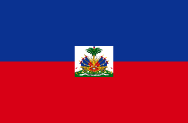 Haiti
Haiti USA
USA Paraguay
 Australia
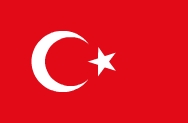 Türkiye
 Germany
 Ecuador
 Ivory Coast
 Curaçao
 Netherlands
 Japan
Japan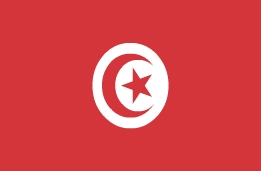 Tunisia
 Sweden
 Belgium
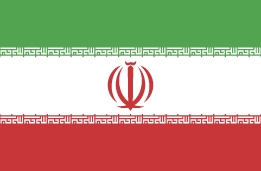 Iran
Iran Egypt
Egypt New Zealand
 Spain
Spain Uruguay
 Saudi Arabia
 Cape Verde
 France
 Senegal
 Norway
 Iraq
Iraq Argentina
 Austria
 Algeria
 Jordan
 Portugal
 Colombia
 Uzbekistan
 DR Congo
 England
 Croatia
 Panama
 Ghana
Ghana
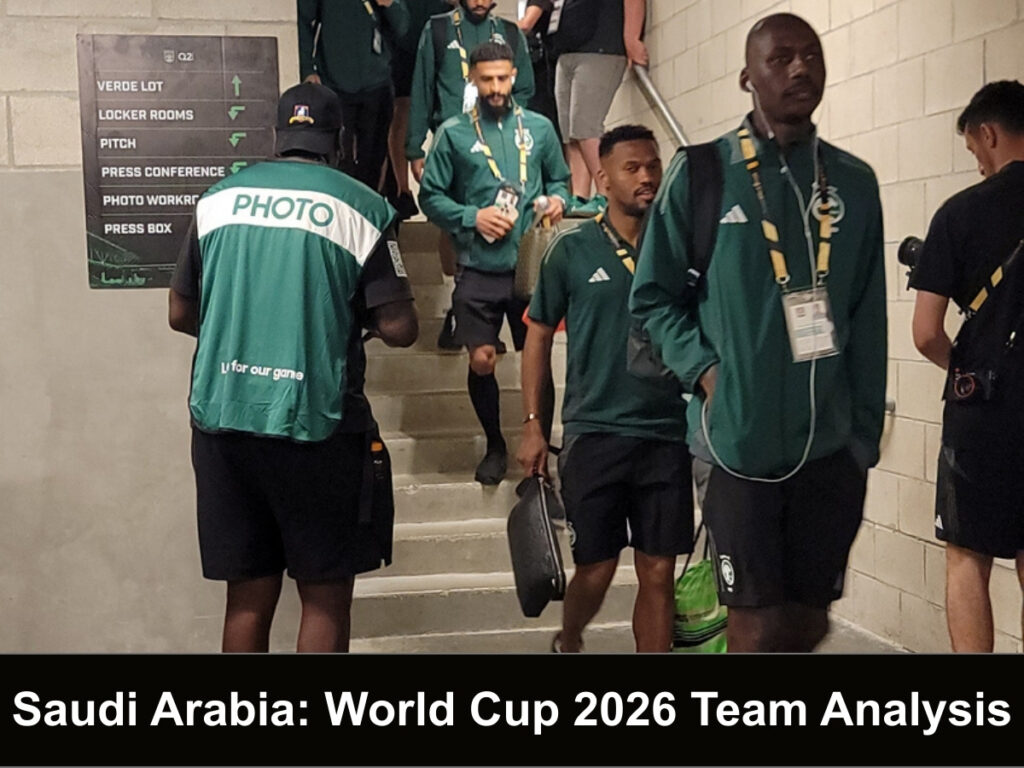
Saudi Arabia 2026 World Cup: Team Analysis, Roster Projection & Preview
Saudi Arabia enters the 2026 World Cup cycle as one of Asia’s most consistent and tactically disciplined national teams. A regular participant on the global stage, Saudi Arabia has developed a reputation for structured defensive organization, technical midfield balance, and disciplined execution in high-pressure matches. With increasing domestic investment in football infrastructure and growing international exposure for its players, the Green Falcons remain a major force within the Asian Football Confederation (AFC).
Under their current technical leadership (final 2026 appointment subject to confirmation), The Saudi Arabia National Team emphasizes compact defensive shape, controlled buildup, and measured attacking transitions. The squad blends experienced leaders such as Salman Al-Faraj and Salem Al-Dawsari with emerging talents capable of influencing matches in dynamic moments. This balance of experience and tactical discipline positions Saudi Arabia as a competitive contender heading into the 2026 World Cup.
Tactical Foundation
Saudi Arabia’s tactical identity centers on structure and collective cohesion.
Compact defensive organization – The Green Falcons prioritize minimizing central space and maintaining disciplined defensive lines.
Midfield structure – Saudi Arabia emphasizes positional awareness and structured ball progression through midfield.
Controlled transitions – Rather than relying solely on pace, Saudi Arabia builds methodically before accelerating into attacking phases.
Formation flexibility – Typically operating in a 4-2-3-1 or 4-3-3, the team can shift into a more defensive 4-5-1 when protecting results.
This tactical approach allows Saudi Arabia to remain competitive against both regional rivals and technically advanced opponents.
Team Performance in the Last Year
Over the past 12–18 months, Saudi Arabia has continued competing in AFC competitions and international friendlies, showing defensive resilience and disciplined attacking structure.
Attack
Saudi Arabia’s attack blends technical creativity with disciplined movement.
Salem Al-Dawsari – Creative winger known for decisive moments in major tournaments.
Firas Al-Buraikan – Mobile forward with goal-scoring instincts.
Abdullah Al-Hamdan – Central striker option with physical presence.
Hatan Bahbri – Experienced attacking midfielder.
Saleh Al-Shehri – Reliable scoring option in key matches.
Saudi Arabia’s attacking patterns emphasize:
Quick diagonal passing
Wide progression and crossing
Midfield support runs
Set-piece opportunities
Defense
Defensively, Saudi Arabia remains structured and disciplined.
Ali Al-Bulaihi – Experienced center-back providing aerial presence.
Hassan Al-Tambakti – Strong defensive option with positional awareness.
Saud Abdulhamid – Dynamic full-back offering width and recovery speed.
Yasser Al-Shahrani – Reliable left-back with international experience.
Goalkeeper Mohammed Al-Owais has been a consistent presence in recent international fixtures, offering reliable shot-stopping and composure under pressure.
Overall, Saudi Arabia enters the 2026 cycle with defensive cohesion and improving attacking fluidity.
Expected 2026 Saudi Arabia World Cup Roster
Goalkeepers
Mohammed Al-Owais – Likely starter with major tournament experience. Nawaf Al-Aqidi – Emerging goalkeeper option. Mohammed Al-Yami – Reliable depth option.
Defenders
Ali Al-Bulaihi – Defensive leader. Hassan Al-Tambakti – Central defensive presence. Saud Abdulhamid – Dynamic right-back. Yasser Al-Shahrani – Experienced left-back. Abdulelah Al-Amri – Rotational central defender. Mohammed Al-Breik – Wide defensive depth option. Abdulrahman Ghareeb – Defensive versatility.
Midfielders
Salman Al-Faraj – Midfield leader and distributor. Mohammed Kanno – Defensive midfield anchor. Abdulrahman Al-Obud – Wide midfield contributor. Abdullah Otayf – Technical central option. Ali Al-Hassan – Energetic box-to-box presence. Abdulelah Al-Malki – Defensive support role.
Forwards / Attackers
Salem Al-Dawsari – Creative attacking focal point. Firas Al-Buraikan – Primary striker option. Saleh Al-Shehri – Clinical finisher. Abdullah Al-Hamdan – Physical forward presence. Hatan Bahbri – Versatile attacking option. Abdulrahman Ghareeb – Wide attacking depth.
This projected roster reflects Saudi Arabia’s structured team identity and balanced squad depth.
Players to Watch
Salem Al-Dawsari
The team’s most dynamic attacker, capable of decisive goals in major tournaments.
Mohammed Kanno
Midfield stabilizer who anchors defensive structure.
Ali Al-Bulaihi
Defensive leader with aerial presence and experience.
Saud Abdulhamid
Full-back whose pace and width support both defensive and attacking phases.
Mohammed Al-Owais
Goalkeeper providing reliability in high-pressure matches.
Projected Starting XI
Formation: 4-2-3-1
GK: Mohammed Al-Owais
RB: Saud Abdulhamid
CB: Ali Al-Bulaihi
CB: Hassan Al-Tambakti
LB: Yasser Al-Shahrani
DM: Mohammed Kanno
CM: Salman Al-Faraj
RW: Abdulrahman Ghareeb
CAM: Abdullah Otayf
LW: Salem Al-Dawsari
ST: Firas Al-Buraikan
Saudi Arabia can also transition into a more defensive 4-5-1 shape when protecting a lead.
Strengths and Weaknesses
Attack – Strengths: Technical wing play; structured buildup; set-piece opportunities. Weaknesses: Limited finishing depth against elite defenses.
Midfield – Strengths: Tactical discipline; positional awareness. Weaknesses: Creativity under sustained high pressure.
Defense – Strengths: Compact organization; experienced center-backs. Weaknesses: Vulnerable to rapid positional rotations.
Goalkeeping – Strengths: Reliable shot-stopping. Weaknesses: Distribution under aggressive press.
Tactics – Strengths: Structured defensive identity; adaptability. Weaknesses: Limited margin for error against top-tier nations.
Mentality – Strengths: Competitive resilience; tournament familiarity. Weaknesses: Managing knockout-stage intensity.
Player Injury Status
Saudi Arabia’s projected core remains largely available entering the 2026 cycle. Maintaining squad fitness across domestic league play will be important ahead of tournament selection.
Historical World Cup Performance
Saudi Arabia’s World Cup history includes:
Round-of-16 appearance in 1994
Multiple World Cup qualifications in the modern era
Notable victories against higher-ranked opponents
Their football identity has historically emphasized:
Technical discipline
Structured defensive play
Competitive regional dominance
Outlook for the 2026 World Cup
Saudi Arabia enters the 2026 World Cup cycle with structured discipline, experienced leadership, and tactical cohesion. With Salem Al-Dawsari providing attacking creativity and a balanced midfield core anchoring possession, the Green Falcons possess the foundation to compete effectively within Asia and on the global stage.
Group Stage Outlook: Competitive performances are realistic with disciplined execution.
Knockout-Stage Potential: Advancement would depend heavily on defensive consistency and clinical finishing in key moments.