


 Mexico
 South Korea
 South Africa
 TBD
TBD Canada
 Switzerland
 Qatar
Qatar Brazil
 Morocco
 Scotland
 Haiti
Haiti USA
USA Paraguay
 Australia
 Germany
 Ecuador
 Ivory Coast
 Curaçao
 Netherlands
 Japan
Japan Tunisia
 Belgium
 Iran
Iran Egypt
Egypt New Zealand
 Spain
Spain Uruguay
 Saudi Arabia
 Cape Verde
 France
 Senegal
 Norway
 Argentina
 Austria
 Algeria
 Jordan
 Portugal
 Colombia
 Uzbekistan
 England
 Croatia
 Panama
 Ghana
Ghana
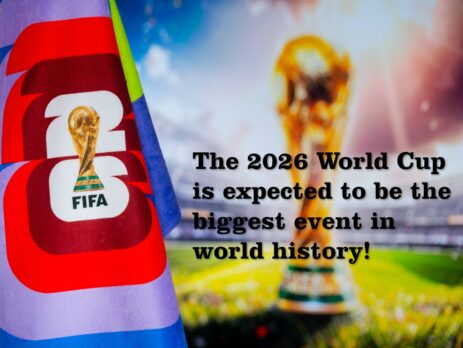
The 2026 World Cup: Biggest Event In World History
The 2026 World Cup is shaping up to be the biggest football event the world has ever seen. For fans, media companies, sponsors, and search engines alike, this tournament has all the ingredients to become the most talked-about, most watched, and most searched sporting event in history. With more teams, more matches, more host cities, and more global attention than any previous edition, the 2026 World Cup is expected to dominate sports headlines, television audiences, social media conversations, and online search traffic from the first day of the tournament until the final whistle.
Football is already the world’s most popular sport, and the World Cup has long stood as the game’s ultimate global stage. Every four years, billions of people follow the tournament across television, streaming platforms, websites, apps, social media feeds, and live match centers. But the 2026 edition feels different. This one is larger in scale, broader in reach, and more commercially powerful than anything that has come before it. It will not simply be another World Cup. It could become the single biggest sports spectacle ever produced.
Why the 2026 World Cup Will Be the Biggest Ever
One of the biggest reasons the 2026 World Cup is generating so much anticipation is the expansion of the tournament itself. More national teams means more countries represented, more players on the world stage, more fans emotionally invested, and more matches for audiences to follow. That is a massive shift for search demand. Whenever more nations qualify, more supporters begin searching for team rosters, player stats, match schedules, kickoff times, and travel information. Every additional team creates an entirely new layer of content demand.
This matters because search interest around the World Cup is not driven by only one topic. Fans look for everything. They search for World Cup fixtures, World Cup groups, World Cup standings, World Cup bracket predictions, where to watch matches live, and national team previews. They search for stars, dark horses, underdogs, and breakout players. They search by country, by date, by city, by stadium, and by television network. They search for lineups, injuries, goal scorers, and match center updates. The result is a tournament that touches nearly every major category of sports search behavior at once.
The 2026 World Cup is also expected to benefit from timing and geography. With the United States, Canada, and Mexico serving as hosts, the tournament will be staged across a huge North American footprint. That gives it a unique commercial advantage. It will be easier for massive audiences in the Americas to watch live, attend matches, create content, and engage online. It will also bring enormous attention from global fans who want to follow the host cities, stadiums, ticket information, and travel planning throughout the tournament.
A Tournament Built for Record-Breaking Viewership
The World Cup has always delivered numbers that few global events can match. But the 2026 edition could reach a new level. The combination of worldwide football fandom, expanded tournament structure, improved streaming access, mobile-first viewing habits, and constant real-time social media engagement makes this tournament exceptionally well positioned to break audience records.
Modern fans do not only watch matches on television anymore. They follow games on mobile devices, tablets, streaming services, smart TVs, match trackers, social media platforms, and sports websites with live data. That means every match now creates multiple layers of audience activity. A fan may watch the game on a streaming app, check live lineups on a football website, search for player stats during halftime, and then go to social media for reaction after the final whistle. The World Cup thrives in that type of digital ecosystem because football conversations spread instantly across the world.
That is why the 2026 World Cup is not just positioned to be one of the most watched tournaments ever. It is positioned to become one of the most engaged-with media events in history. The tournament will create continuous daily traffic across search, news, sports media, streaming, fantasy-style analysis, prediction content, and live score platforms. In practical terms, that means millions upon millions of searches every day for fixtures, scores, standings, and national team news.
The Most Searched Sports Event on the Internet?
There is a strong case that the 2026 World Cup could become the most searched sporting event the internet has ever seen. Search behavior surrounding major football tournaments tends to surge in waves. It begins with qualification and draw interest, then accelerates with group stage discussions, and finally explodes during knockout rounds when every match carries enormous consequences.
Some of the most valuable long-tail search terms connected to this tournament are easy to predict because they match how real fans actually behave online. Supporters want practical information and immediate answers. They search phrases such as “2026 World Cup schedule,” “World Cup fixtures by date,” “World Cup groups and standings,” “2026 World Cup teams,” “World Cup bracket,” “where to watch World Cup games live,” “World Cup tickets,” “World Cup host cities,” “national team roster,” and “live player stats.”
Those searches become even stronger when combined with country-specific intent. Instead of just searching “World Cup schedule,” many users will search “USA 2026 World Cup schedule,” “Mexico World Cup group,” “England World Cup roster 2026,” “Argentina World Cup lineup,” or “Brazil World Cup key players.” That is one reason World Cup content performs so well in search engines: the tournament creates a nearly endless combination of broad, mid-tail, and highly specific long-tail keyword opportunities.
For publishers and football sites, that means the 2026 World Cup is not just a sports story. It is a search ecosystem. There will be demand for group-by-group previews, team-by-team roster breakdowns, round-by-round brackets, daily fixtures pages, match center coverage, player stat hubs, and live updates tied to individual games. The sites that organize this content clearly and publish it early will be in a strong position to capture search traffic before and during the tournament.
More Teams, More Matches, More Global Demand
One of the defining features of the 2026 World Cup is scale. A larger field means new nations have a better path to qualification and more fan bases have a reason to pay close attention. That matters enormously for overall audience reach. When more countries make the tournament, search demand expands beyond the traditional football powerhouses and into a broader range of national audiences.
That wider reach should create higher search volume for country pages, team pages, and player pages. Fans do not just want to know who won. They want to know who scored, who started, who got injured, who is suspended, who might transfer after the tournament, and which young players are becoming stars. The World Cup gives every nation a moment on the world stage, and the internet amplifies that interest in real time.
It also gives search engines more ways to understand intent. Some users will want schedule information. Others will want tactical previews. Others will want ticket details, travel tips, TV channel information, odds, brackets, or live scores. The 2026 tournament should generate strong search intent at every stage of the fan journey, from early planning to minute-by-minute live match engagement.
Host Cities, Stadiums, and the North American Spotlight
Another reason this World Cup stands out is the host setup. A three-country tournament naturally creates more logistical curiosity and more travel-related search demand. Fans will be looking for host cities, stadium guides, transportation options, hotel availability, and city-by-city match schedules. Every host market becomes its own content vertical.
That level of interest extends well beyond match days. Supporters from around the world want to know where their teams are playing, which venues will host the biggest games, and which cities offer the best atmosphere. That helps explain why host city coverage often becomes one of the strongest supporting content categories around major tournaments. Search traffic does not only come from hardcore football fans. It also comes from travelers, casual viewers, families, and event-focused audiences looking for practical planning information.
The North American setting also increases the commercial importance of the 2026 World Cup. The host nations bring major media markets, huge stadium infrastructure, global brands, and a powerful mix of English- and Spanish-language audiences. That combination could help push the event into a broader mainstream spotlight than many previous World Cups enjoyed in the digital era.
Why Fans Will Follow Every Detail
The biggest World Cups are never only about the trophy. They are about storylines. Fans will arrive looking for the favorites, the most dangerous underdogs, the emerging stars, the veteran legends, and the next iconic moment in football history. Every major nation will bring a new angle. Every group will create new drama. Every knockout match will create a new wave of search interest.
That is especially true because football fans now expect more than just a final score. They want match center experiences that include live scores, lineups, player ratings, possession data, shot counts, xG-style analysis, cards, substitutions, and player-by-player performance breakdowns. They want pages they can refresh during the game. They want instant information without leaving the action.
Sites that offer live score coverage, team stats, player stats, and easy navigation between teams, fixtures, standings, and brackets are likely to benefit the most during the tournament. Search demand increasingly rewards useful structure. Pages that answer “what time is the match,” “who is in the lineup,” “what group is this team in,” and “who advances next” can become powerful traffic magnets during the World Cup cycle.
The 2026 World Cup and the Future of Football Media
The 2026 World Cup could also mark a turning point in how football media is consumed. Younger audiences often discover sports through clips, highlights, searchable moments, and mobile-first updates rather than traditional broadcast habits. That does not reduce the importance of the tournament. It increases it. The World Cup is one of the few events that can dominate television, streaming, search, social media, and live websites all at once.
That kind of cross-platform dominance is rare. It is what makes the tournament so valuable to broadcasters, sponsors, publishers, and search-driven sports brands. A World Cup audience is not passive. It is active, emotional, and constantly looking for more information. Every match can become a traffic engine. Every star player can become a search trend. Every upset can send millions of fans back to Google looking for explanations, updates, tables, and reaction.
In that sense, the 2026 World Cup is not just another sports event. It is likely to function like a global media superstorm. It will generate rolling demand for articles, previews, player rankings, statistical breakdowns, watch guides, travel pages, and live match coverage. The sites that are ready for that demand could see extraordinary visibility.
What People Will Search Before the Tournament
Before the opening match, search demand is likely to center around qualification, final rosters, tournament format, host cities, ticket information, and schedule pages. Fans will want clear guides that explain how the World Cup works, when matches begin, how the bracket is structured, and which teams look strongest heading into the tournament.
That pre-tournament period is the ideal time for evergreen SEO content. Pages focused on “2026 World Cup schedule,” “2026 World Cup teams,” “World Cup host cities,” “World Cup groups,” “World Cup rosters,” and “where to watch World Cup games” should remain relevant for months and can continue gaining momentum as the event approaches.
What People Will Search During the Tournament
Once the tournament starts, search demand will shift toward daily fixtures, live scores, group standings, knockout bracket updates, lineups, injuries, suspensions, and player statistics. Match days will drive huge spikes for country-specific searches and game-specific searches. Fans will want fast answers and reliable live information.
That is why match center content matters so much. During the World Cup, users often search with immediate intent. They want to know who is playing now, who scored, how the table changed, and who advances next. Pages that combine live score data with team stats and player stats can outperform generic articles because they solve multiple needs at the same time.
What Makes This Tournament Different
The 2026 World Cup has the right mix of scale, timing, digital access, and international appeal to become a once-in-a-generation event. It brings together football’s global fan base, North America’s enormous commercial reach, and a modern internet environment built around instant search and real-time updates. That combination gives it a serious chance to become the most watched and most searched World Cup ever.
And that may ultimately be the story of the tournament: not only that it will crown a world champion, but that it will bring together billions of fans in one giant global conversation. Some will watch on television. Some will stream from phones. Some will follow via live scores and team pages. Some will search for fixtures, players, and standings every single day. All of that attention adds up to something larger than sport. It becomes a worldwide event that dominates culture, media, and search behavior at the same time.
Final Thoughts
The 2026 World Cup already looks destined to be one of the defining sports events of the modern era. With unmatched global reach, massive search potential, and nonstop demand for schedules, standings, rosters, tickets, live scores, and player stats, this tournament could become the biggest football spectacle the world has ever experienced.
For fans, it will be a celebration of the sport at its highest level. For publishers and search-driven football sites, it will be the ultimate opportunity to capture long-tail World Cup traffic across every stage of the tournament. And for the sport itself, it may become the clearest proof yet that when the World Cup arrives, the entire world pays attention.