



 Mexico
 South Korea
 South Africa
 TBD
TBD Canada
 Switzerland
 Qatar
Qatar Brazil
 Morocco
 Scotland
 Haiti
Haiti USA
USA Paraguay
 Australia
 Germany
 Ecuador
 Ivory Coast
 Curaçao
 Netherlands
 Japan
Japan Tunisia
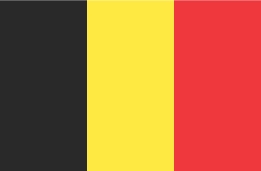 Belgium
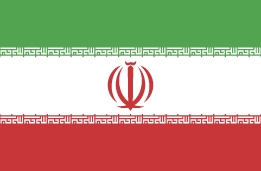 Iran
Iran Egypt
Egypt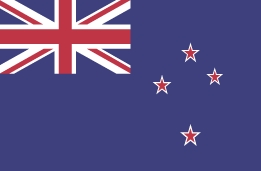 New Zealand
 Spain
Spain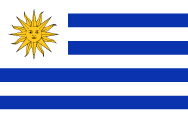 Uruguay
 Saudi Arabia
 Cape Verde
 France
 Senegal
 Norway
 Argentina
 Austria
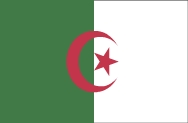 Algeria
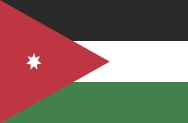 Jordan
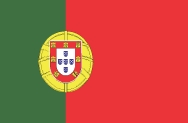 Portugal
 Colombia
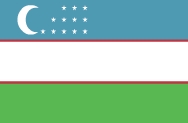 Uzbekistan
 England
 Croatia
 Panama
 Ghana
Ghana

Mohamed Ouahbi Appointed Morocco National Team Head Coach Ahead of 2026 World Cup
The Morocco national team has appointed Mohamed Ouahbi as its new head coach just months before the start of the 2026 World Cup. The Royal Moroccan Football Federation confirmed the decision as the Atlas Lions continue preparations for football’s biggest international tournament.
Ouahbi replaces former manager Walid Regragui, who stepped down after nearly four years in charge of the Moroccan national team. The leadership change comes during a crucial period for Morocco as the team prepares for the upcoming World Cup and seeks to build on its historic achievements in recent international competitions.
With expectations rising following Morocco’s breakthrough performance at the 2022 FIFA World Cup, the appointment of Ouahbi signals the beginning of a new era for the Atlas Lions. The federation hopes the new head coach can maintain Morocco’s upward momentum while preparing the squad for the challenges of the 2026 World Cup.
Mohamed Ouahbi Takes Charge of the Atlas Lions
Mohamed Ouahbi, 49, is widely regarded as one of the most promising coaches in Moroccan football. Before taking over the senior national team, Ouahbi spent several years working within Morocco’s youth development system, helping identify and develop many of the country’s rising football talents.
His reputation grew significantly after he guided Morocco’s Under-20 national team to a historic FIFA U-20 World Cup title. The achievement marked the first time Morocco had won the tournament at that level and demonstrated Ouahbi’s ability to build competitive teams capable of succeeding on the international stage.
Ouahbi’s success with Morocco’s youth teams earned him praise for his tactical intelligence, player development skills, and ability to motivate young squads. Those qualities ultimately convinced Moroccan football officials that he was the right candidate to lead the senior national team into the next phase of its development.
Moroccan Football Federation president Fouzi Lekjaa described the appointment as part of a long-term vision for the national team. According to federation officials, Ouahbi’s familiarity with the Moroccan football system and its emerging generation of players made him a logical choice to guide the team toward the 2026 World Cup.
The End of the Walid Regragui Era
Ouahbi’s appointment follows the departure of Walid Regragui, one of the most successful managers in Morocco’s football history. Regragui took charge of the Atlas Lions during a transformative period for the national team and helped elevate Morocco to new heights on the global stage.
The highlight of Regragui’s tenure came during the 2022 FIFA World Cup in Qatar, where Morocco delivered one of the most memorable runs in tournament history. The Atlas Lions defeated several major football powers and advanced all the way to the semi-finals, becoming the first African and Arab nation ever to reach that stage of the competition.
Morocco’s remarkable performance captured the attention of football fans around the world. The team combined strong defensive organization with disciplined tactical play and explosive attacking transitions. Players such as Achraf Hakimi, Sofyan Amrabat, and Yassine Bounou became global stars during the tournament.
Despite the success, Regragui stepped down shortly before the 2026 World Cup cycle reached its final stages. In his departure statement, he suggested that the national team could benefit from “a new vision and different energy” as it prepared for the upcoming tournament.
His departure marked the end of a historic era for Moroccan football but also opened the door for a new chapter under Mohamed Ouahbi’s leadership.
Morocco Preparing for the 2026 World Cup
The timing of the coaching change places significant responsibility on Ouahbi as he takes charge of the Morocco national team. With the 2026 FIFA World Cup approaching quickly, the new head coach must rapidly prepare the squad for the global tournament.
Morocco has been drawn into Group C of the 2026 World Cup alongside Brazil, Scotland, and Haiti. The group promises to be one of the most competitive in the tournament, featuring a mixture of traditional football powers and ambitious emerging teams.
Brazil remains one of the most successful national teams in World Cup history and will likely enter the group as the favorite. Scotland brings a physical European style of play, while Haiti continues to develop as a rising football nation within the CONCACAF region.
For Morocco, success in the group stage will depend on maintaining the tactical discipline and team unity that defined its performance at the 2022 World Cup. Ouahbi’s immediate challenge will be ensuring the team remains organized defensively while continuing to develop its attacking creativity.
A Talented Moroccan Squad
The Moroccan national team currently features one of the most talented squads in its history. Many of the country’s top players compete at the highest levels of European football, bringing valuable experience and quality to the national team.
Achraf Hakimi remains one of Morocco’s most influential players, known for his pace, attacking runs, and defensive versatility from the right-back position. Midfielder Sofyan Amrabat continues to be a key figure in Morocco’s midfield, providing defensive stability and leadership.
Goalkeeper Yassine Bounou, who became a national hero during the 2022 World Cup, remains one of the team’s most reliable performers. His shot-stopping ability and composure under pressure have made him one of the top goalkeepers in international football.
Ouahbi will also have the opportunity to integrate emerging young talents who developed within Morocco’s youth national team programs. Having previously coached many of these players, Ouahbi may already have a strong understanding of how to incorporate them into the senior squad.
Morocco’s Growing Global Reputation
In recent years, Morocco has emerged as one of the most respected national teams in international football. The Atlas Lions have consistently performed well in major competitions and have demonstrated that African teams can compete with the traditional giants of world football.
Morocco’s success has also strengthened the country’s football infrastructure and development programs. Investment in youth academies, coaching education, and player development has helped produce a new generation of talented players capable of competing at the highest level.
The appointment of Mohamed Ouahbi reflects this broader commitment to developing Moroccan football from within. By promoting a coach who has already contributed to the country’s youth development system, the federation hopes to ensure long-term continuity and success.
A New Chapter for Moroccan Football
The decision to appoint Mohamed Ouahbi as Morocco’s new head coach represents a significant moment for the national team. As the Atlas Lions prepare for the 2026 World Cup, the new manager will be tasked with guiding the squad through one of the most important periods in the country’s football history.
Ouahbi inherits a talented roster, a passionate fan base, and a national team that has already proven it can compete with the best in the world. The challenge now will be building on that momentum and preparing the team for another deep run in the World Cup.
If Ouahbi can successfully unite Morocco’s experienced veterans with its emerging young stars, the Atlas Lions could once again become one of the most exciting teams to watch on the international stage. With the 2026 World Cup approaching, Moroccan fans around the world will be eager to see how this new era unfolds.