

 Mexico
 South Korea
 South Africa
 TBD
TBD Canada
 Switzerland
 Qatar
Qatar Brazil
 Morocco
 Scotland
 Haiti
Haiti USA
USA Paraguay
 Australia
 Germany
 Ecuador
 Ivory Coast
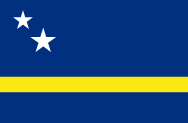 Curaçao
 Netherlands
 Japan
Japan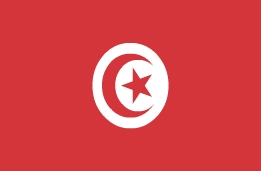 Tunisia
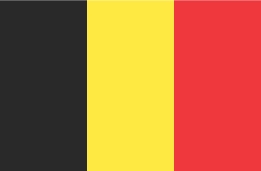 Belgium
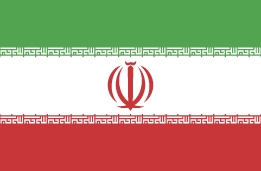 Iran
Iran Egypt
Egypt New Zealand
 Spain
Spain Uruguay
 Saudi Arabia
 Cape Verde
 France
 Senegal
 Norway
 Argentina
 Austria
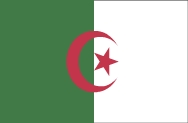 Algeria
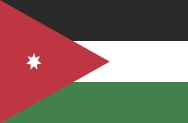 Jordan
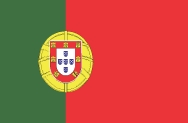 Portugal
 Colombia
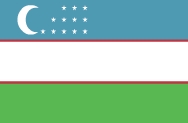 Uzbekistan
 England
 Croatia
 Panama
 Ghana
Ghana


The 2026 World Cup: What Fans Need to Know
The 2026 World Cup is shaping up to be one of the most transformative tournaments in football history. For the first time ever, the event will be hosted by three nations—United States, Canada, and Mexico—and will feature an expanded field of 48 teams, the largest in the tournament’s history. With massive stadiums, global fan energy, and a continent‑wide celebration of the sport, the 2026 World Cup is expected to redefine what a modern tournament looks and feels like.
Whether you’re planning to attend, following your national team, or simply searching for the latest updates, this guide breaks down everything you need to know about the 2026 World Cup.
Why the 2026 World Cup Matters
The 2026 tournament represents a major turning point for global football. The last time the World Cup came to North America was in 1994, when the United States hosted a record‑breaking event that helped ignite the sport’s growth across the country. Now, more than three decades later, the region is ready to host a bigger, more ambitious version of the world’s most‑watched sporting event.
Key Highlights
- First World Cup hosted by three countries
- First tournament with 48 teams
- Matches played across 16 host cities
- Final scheduled for MetLife Stadium in New Jersey
- Expected to break attendance and viewership records
The scale alone makes 2026 a landmark moment, but the cultural and economic impact will be just as significant.
2026 World Cup Host Cities
One of the most searched topics around the tournament is “World Cup 2026 host cities”, and for good reason. The event spans an enormous geographic area, offering fans a wide range of travel and viewing experiences.
United States (11 cities)
- Atlanta
- Boston
- Dallas
- Houston
- Kansas City
- Los Angeles
- Miami
- New York/New Jersey (MetLife Stadium – Final)
- Philadelphia
- San Francisco Bay Area
- Seattle
Canada (2 cities)
- Toronto
- Vancouver
Mexico (3 cities)
- Mexico City (Estadio Azteca)
- Guadalajara
- Monterrey
Each city brings its own culture, climate, and football atmosphere. Mexico City’s Estadio Azteca will make history as the first stadium to host matches in three different World Cups.
The New 48‑Team Format Explained
The expanded format is one of the biggest changes fans are searching for under terms like “2026 World Cup format” and “how many teams in World Cup 2026.”
Here’s how it works:
- 12 groups of 4 teams
- Top 2 teams from each group advance
- Plus 8 best third‑place teams
- A new 32‑team knockout stage
This structure keeps the drama of group play while adding more elimination matches—something fans always crave.
Why the Expansion Matters
- More nations from Africa, Asia, and CONCACAF
- Greater global representation
- More opportunities for emerging football nations
- A longer, more competitive tournament
For traditional powerhouses, the challenge will be managing squad depth and navigating a more demanding schedule.
North America’s Football Moment
The 2026 World Cup arrives at a perfect time for the sport in North America.
United States
Soccer has grown dramatically since 1994. MLS expansion, youth development, and a new generation of American players competing in Europe have created a stronger foundation than ever before.
Canada
After qualifying for the 2022 World Cup, Canada enters 2026 with momentum and a rising generation of talent. Hosting matches will only accelerate the sport’s growth.
Mexico
Mexico’s football culture is already one of the most passionate in the world. The national team will look to break its long‑standing barrier and finally reach the quarterfinals on home soil.
Together, the three nations form a powerful partnership that showcases the diversity and energy of the region.
Economic and Cultural Impact of the 2026 World Cup
Search interest around “World Cup 2026 economic impact” has surged, and for good reason. The tournament is expected to generate billions of dollars across the host nations.
Economic Benefits
- Tourism and hospitality booms
- Job creation
- Infrastructure upgrades
- Global exposure for host cities
Cultural Impact
The World Cup is more than a sporting event—it’s a global cultural festival. Fans from every continent will bring their traditions, chants, and colors to North America, creating a once‑in‑a‑generation atmosphere.
Teams to Watch in the 2026 World Cup
While qualification is still unfolding, several nations are already generating buzz.
Traditional Contenders
- Brazil
- Argentina
- France
- Germany
- Spain
- England
These teams consistently produce world‑class talent and will enter the tournament among the favorites.
Rising Nations
- Japan
- Morocco
- Senegal
- Croatia
- South Korea
The expanded format gives these teams a real chance to make deeper runs.
Host Nations
- USA: Aiming for a strong knockout‑stage performance
- Canada: Looking to build on recent progress
- Mexico: Seeking the long‑awaited “quinto partido”
Home‑field energy could play a major role in their success.
Technology and Innovation at the 2026 World Cup
The 2026 tournament will be one of the most technologically advanced in history.
What Fans Can Expect
- Enhanced VAR systems
- High‑tech stadiums with retractable roofs and advanced turf
- Immersive broadcast experiences
- Augmented‑reality fan engagement
- Advanced data analytics influencing tactics and preparation
North America’s stadium infrastructure is among the best in the world, making it an ideal stage for innovation.
Environmental and Logistical Challenges
Hosting a tournament across such a large region comes with challenges.
Key Considerations
- Long travel distances for teams and fans
- Climate differences between cities
- Sustainability concerns
- Scheduling adjustments for heat and humidity
Organizers have emphasized eco‑friendly planning, efficient transportation, and responsible stadium operations to address these issues.
Why the 2026 World Cup Will Inspire a New Generation
Perhaps the most lasting impact of the 2026 World Cup will be its influence on young fans. Millions of children across North America will experience the tournament for the first time—whether in stadiums, fan zones, or at home.
This exposure can reshape the future of football in the region, inspiring new players, new supporters, and new dreams.
Final Thoughts: A Defining Tournament for the Future of Football
The 2026 World Cup is more than a sporting event—it’s a global milestone. With three host nations, 48 teams, and a continent‑wide celebration of the world’s game, it promises to deliver unforgettable moments and set new standards for what a World Cup can be.
From the passion of Mexico City to the skyline of Toronto and the massive stadiums of the United States, the 2026 tournament will showcase the diversity, energy, and unity of North America. It will honor football’s past while pushing boldly into its future.
If you’re planning to attend, following your team, or simply searching for the latest updates, the 2026 World Cup is an event you won’t want to miss.