



 Mexico
 South Korea
 South Africa
 TBD
TBD Canada
 Switzerland
 Qatar
Qatar Brazil
 Morocco
 Scotland
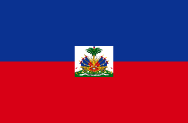 Haiti
Haiti USA
USA Paraguay
 Australia
 Germany
 Ecuador
 Ivory Coast
 Curaçao
 Netherlands
 Japan
Japan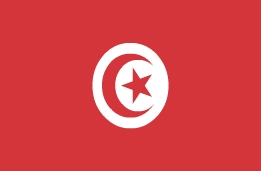 Tunisia
 Belgium
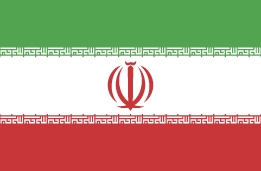 Iran
Iran Egypt
Egypt New Zealand
 Spain
Spain Uruguay
 Saudi Arabia
 Cape Verde
 France
 Senegal
 Norway
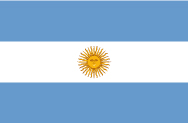 Argentina
 Austria
 Algeria
 Jordan
 Portugal
 Colombia
 Uzbekistan
 England
 Croatia
 Panama
 Ghana
Ghana

Top 10 Young World Cup Players – U21
The 2026 World Cup will introduce a new generation of football superstars. Every World Cup tournament has created global icons. Pelé stunned the world in 1958 at age 17. Michael Owen exploded onto the global stage in 1998. Kylian Mbappé became a household name in 2018 after leading France to the championship.
The upcoming 2026 FIFA World Cup in the United States, Canada, and Mexico could produce another wave of young stars ready to dominate the global stage. Many of these players are already performing at elite levels in Europe’s top leagues and international competitions.
Here are ten of the best young players who could become breakout stars at the 2026 World Cup.
1. Lamine Yamal (Spain)
Few young footballers in the world have risen as quickly as Lamine Yamal. The Barcelona winger has already become a key player for both club and country before the age of 19.
Yamal made his Barcelona debut at just 15 years old and quickly established himself as one of the most dangerous young attackers in Europe. By age 18 he had already scored 50 professional goals, including 44 for Barcelona and six for Spain. He reached that milestone far earlier than legends Lionel Messi and Cristiano Ronaldo did in their careers.
His playing style is defined by explosive dribbling, creativity, and the ability to beat defenders in one-on-one situations. Yamal has already contributed numerous goals and assists for Spain, including 16 goal contributions in just 22 international matches early in his career.
Spain is expected to build much of its attack around Yamal during the 2026 World Cup. If he continues developing at the same rate, he could easily become one of the most exciting players of the tournament.
2. Endrick (Brazil)
Brazil has produced some of the greatest attackers in football history, including Pelé, Ronaldo, Ronaldinho, and Neymar. The next name expected to join that tradition is Endrick.
The Brazilian striker rose to global fame while playing for Palmeiras before securing a move to Real Madrid. Endrick is widely considered one of the most promising young strikers in world football and has already represented Brazil at senior level.
Known for his explosive acceleration, powerful finishing, and fearless attacking mentality, Endrick has been labeled by many analysts as Brazil’s next superstar striker. His rapid rise has also placed him among the highest-rated young forwards in world football.
Brazil will enter the 2026 World Cup as one of the tournament favorites. If Endrick earns a starting role, he could quickly become one of the biggest breakout stars of the tournament.
3. Kendry Páez (Ecuador)
Ecuador continues to develop one of the most exciting young national teams in international football. One of the brightest players in that generation is attacking midfielder Kendry Páez.
Páez became the youngest goalscorer in FIFA U-20 World Cup history when he scored at just 16 years and 22 days. His performances for Ecuador quickly attracted attention from Europe’s biggest clubs, eventually leading to a transfer agreement with Chelsea.
The young playmaker is known for his exceptional vision, passing ability, and creativity in the attacking third. Ecuador’s qualification campaigns have increasingly relied on younger players, and Páez could be the creative engine that drives the team during the 2026 World Cup.
If Ecuador becomes one of the tournament’s surprise teams, Páez will likely be at the center of that success.
4. Franco Mastantuono (Argentina)
Argentina continues to produce world-class attacking midfielders, and Franco Mastantuono may be the next player to follow in the footsteps of Lionel Messi.
The River Plate star has already been linked with several elite European clubs thanks to his technical brilliance and creativity. Despite his young age, Mastantuono has already shown impressive composure on the ball and the ability to control the tempo of matches.
Argentina is entering a transitional period as the legendary generation led by Messi gradually gives way to younger players. Mastantuono could play a major role in Argentina’s midfield during the next World Cup cycle.
5. Estêvão Willian (Brazil)
Another Brazilian talent expected to shine at the 2026 World Cup is winger Estêvão Willian, sometimes nicknamed “Messinho” because of his playing style.
Estêvão became one of the most exciting attacking players in Brazilian football while playing for Palmeiras. His performances quickly attracted interest from European clubs, and he is widely viewed as one of the most valuable teenage players in world football.
In recent seasons he produced impressive numbers in Brazil’s top division, contributing both goals and assists while showcasing elite dribbling skills and attacking creativity.
Brazil could arrive at the World Cup with one of the most dynamic young attacking groups in the tournament, and Estêvão may become one of the stars of that group.
6. Pau Cubarsí (Spain)
Spain has traditionally produced world-class midfielders, but the new generation includes an exciting defensive talent: Pau Cubarsí.
The Barcelona center-back broke into the first team at a very young age and quickly impressed with his composure and tactical intelligence. Cubarsí has already played important matches in European competitions while still in his teens.
Despite his young age, Cubarsí demonstrates remarkable maturity when defending against elite attackers. His positioning, passing ability, and calmness under pressure make him one of the most promising young defenders in world football.
Spain’s defensive structure could rely heavily on Cubarsí during the 2026 World Cup.
7. Désiré Doué (France)
France has an incredible depth of young attacking talent, and one of the most exciting names in that group is Désiré Doué.
The attacking midfielder has been developing rapidly in European football and has already attracted attention for his creativity and technical ability.
Doué’s versatility allows him to play multiple positions across the attacking midfield line. He is capable of scoring goals, creating chances, and breaking defensive lines with his dribbling ability.
France remains one of the strongest teams in international football, and players like Doué could become key contributors as the next generation emerges.
8. João Neves (Portugal)
Portugal’s midfield future looks incredibly bright thanks to players like João Neves.
The young midfielder gained recognition through his performances in European club competitions and has quickly become known for his passing accuracy, work rate, and tactical awareness.
Portugal has a long history of producing elite midfielders, and Neves appears ready to continue that tradition. His ability to control possession and dictate the pace of matches could be vital for Portugal during the 2026 World Cup.
9. Warren Zaïre-Emery (France)
Another rising star in the French national team setup is Warren Zaïre-Emery.
The Paris Saint-Germain midfielder became one of the youngest players ever to play regularly in Ligue 1 and European competitions. His physical strength, passing range, and tactical intelligence make him a perfect modern central midfielder.
France already has one of the strongest squads in international football, and Zaïre-Emery could become a key part of their midfield rotation during the 2026 tournament.
10. Arda Güler (Turkey)
Arda Güler is widely considered one of the most technically gifted young players in world football.
The Real Madrid attacking midfielder gained international recognition while playing for Fenerbahçe before moving to Spain. Güler is known for his incredible left foot, creative passing, and ability to score spectacular goals from distance.
Turkey hopes to return to the World Cup with a competitive squad, and Güler could become the team’s most important attacking player if he continues developing.
The Next Generation of World Cup Stars
The 2026 World Cup will not only showcase the biggest names in football but also introduce the next generation of superstars. Players like Lamine Yamal, Endrick, Kendry Páez, and Franco Mastantuono represent the future of the sport.
Every tournament brings unexpected heroes, breakout stars, and unforgettable performances. With a record-breaking 48 teams participating, the 2026 World Cup could produce more young sensations than any previous tournament.
Fans around the world will be watching closely as these young players attempt to make history on football’s biggest stage.