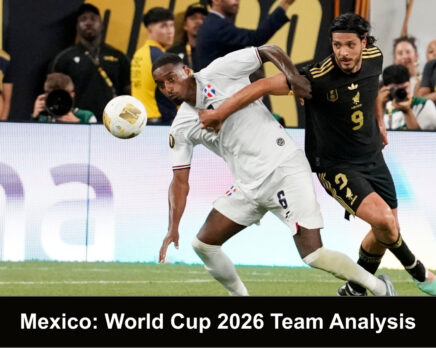


 Mexico
 South Korea
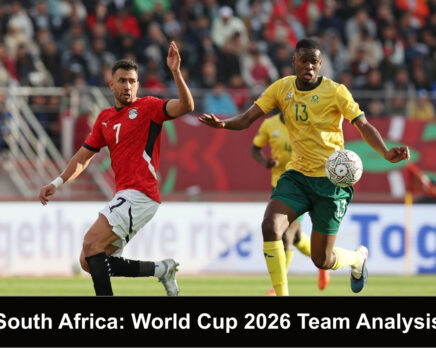
 South Africa
 TBD
TBD Canada
 Switzerland
 Qatar
Qatar Brazil
 Morocco
 Scotland
 Haiti
Haiti USA
USA Paraguay
 Australia
 Germany
 Ecuador
 Ivory Coast
 Curaçao
 Netherlands
 Japan
Japan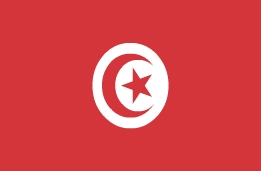 Tunisia
 Belgium
 Iran
Iran Egypt
Egypt New Zealand
 Spain
Spain Uruguay
 Saudi Arabia
 Cape Verde
 France
 Senegal
 Norway
 Argentina
 Austria
 Algeria
 Jordan
 Portugal
 Colombia
 Uzbekistan
 England
 Croatia
 Panama
 Ghana
Ghana

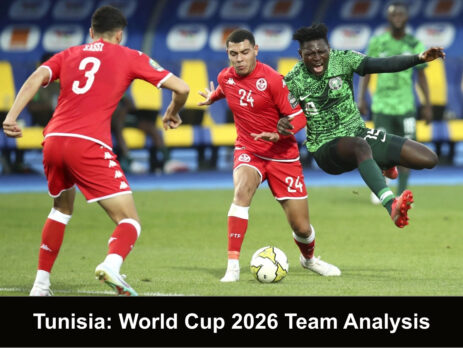
Tunisia 2026 World Cup: Team Analysis, Roster Projection & Preview
Tunisia enters the 2026 World Cup cycle as one of North Africa’s most tactically disciplined and defensively organized national teams. Known as the Eagles of Carthage, Tunisia has established a reputation for structured play, midfield work rate, and resilience in major tournaments. With a blend of domestic league standouts and European-based professionals, Tunisia remains a consistent contender within CAF competition and aims to translate that stability into deeper World Cup success.
Under their current technical leadership (final 2026 appointment subject to confirmation), The Tunisia National Team emphasizes compact defensive shape, midfield balance, and efficient attacking transitions. The squad blends experienced figures such as Youssef Msakni with emerging talents including Hannibal Mejbri. This combination of leadership and youth positions Tunisia as a disciplined and competitive side heading into the 2026 World Cup cycle.
Tactical Foundation
Tunisia’s tactical identity centers on structure and defensive cohesion.
Compact defensive organization – Tunisia maintains tight spacing between lines, limiting central penetration and forcing opponents wide.
Midfield discipline – The team emphasizes positional awareness and controlled buildup rather than high-risk attacking sequences.
Efficient counterattacks – Quick transitions through wide areas allow Tunisia to capitalize on turnovers.
Formation flexibility – Typically operating in a 4-3-3 or 4-2-3-1, Tunisia can shift into a more conservative 4-5-1 when protecting results.
This balanced approach allows Tunisia to remain competitive against technically superior opponents.
Team Performance in the Last Year
Over the past 12–18 months, Tunisia has continued competing strongly in CAF qualification and international friendlies. Performances have reflected defensive resilience and structured tactical execution.
Attack
Tunisia’s attack blends experience with mobility.
Youssef Msakni – Veteran attacker and creative leader.
Wahbi Khazri – Experienced forward capable of decisive finishing.
Hannibal Mejbri – Dynamic midfielder contributing creativity and pressing intensity.
Seifeddine Jaziri – Central striker option with strong movement.
Naïm Sliti – Technical wide attacker.
Tunisia’s attacking patterns emphasize:
Wide progression and cut-inside runs
Quick vertical passes
Midfield support on transitions
Set-piece opportunities
Defense
Defensively, Tunisia remains structured and organized.
Dylan Bronn – Central defensive leader.
Montassar Talbi – Composed center-back option.
Ali Maâloul – Attack-minded left-back with experience.
Mohamed Dräger – Reliable right-back.
Goalkeeper Aymen Dahmen has been a consistent presence in recent competitions, offering reliable shot-stopping and composure.
Overall, Tunisia enters the 2026 cycle with defensive stability and experienced leadership.
Expected 2026 Tunisia World Cup Roster
Goalkeepers
Aymen Dahmen – Likely starter with international experience. Bechir Ben Said – Reliable depth option. Farouk Ben Mustapha – Veteran goalkeeper presence.
Defenders
Dylan Bronn – Defensive organizer. Montassar Talbi – Central defensive presence. Ali Maâloul – Experienced left-back. Mohamed Dräger – Balanced right-back. Yassine Meriah – Rotational center-back. Hamza Mathlouthi – Defensive versatility. Nader Ghandri – Depth central defender.
Midfielders
Hannibal Mejbri – Energetic creative midfielder. Ellyes Skhiri – Defensive midfield anchor. Aïssa Laïdouni – Box-to-box presence. Mohamed Ali Ben Romdhane – Technical central option. Anis Ben Slimane – Attacking midfield contributor. Naïm Sliti – Wide midfield option.
Forwards / Attackers
Youssef Msakni – Experienced attacking leader. Wahbi Khazri – Clinical forward. Seifeddine Jaziri – Central striker option. Issam Jebali – Physical attacking presence. Taha Yassine Khenissi – Depth striker option. Naïm Sliti – Versatile wide forward.
This projected roster reflects Tunisia’s blend of experience, defensive discipline, and structured attacking identity.
Players to Watch
Hannibal Mejbri
Dynamic midfielder whose energy and creativity elevate Tunisia’s attacking phases.
Ellyes Skhiri
Midfield stabilizer providing defensive structure and ball recovery.
Youssef Msakni
Experienced attacker capable of decisive tournament moments.
Dylan Bronn
Defensive leader anchoring Tunisia’s compact shape.
Aymen Dahmen
Goalkeeper providing reliability and composure under pressure.
Projected Starting XI
Formation: 4-3-3
GK: Aymen Dahmen
RB: Mohamed Dräger
CB: Dylan Bronn
CB: Montassar Talbi
LB: Ali Maâloul
CM: Ellyes Skhiri
CM: Aïssa Laïdouni
CM: Hannibal Mejbri
RW: Naïm Sliti
LW: Youssef Msakni
ST: Seifeddine Jaziri
Tunisia can also transition into a 4-2-3-1 when emphasizing defensive stability.
Strengths and Weaknesses
Attack – Strengths: Technical wing play; set-piece threat; experienced finishers. Weaknesses: Limited elite scoring depth.
Midfield – Strengths: Tactical discipline; defensive balance. Weaknesses: Creativity under sustained pressure.
Defense – Strengths: Compact organization; structured positioning. Weaknesses: Vulnerable to high-speed transitions.
Goalkeeping – Strengths: Reliable reflexes. Weaknesses: Distribution under aggressive pressing.
Tactics – Strengths: Defensive structure; adaptability. Weaknesses: Limited margin for error against elite teams.
Mentality – Strengths: Resilient; tournament experience. Weaknesses: Converting group-stage competitiveness into knockout advancement.
Player Injury Status
Tunisia’s projected core remains largely available entering the 2026 cycle. Maintaining squad fitness through CAF qualification campaigns will be essential ahead of final tournament selection.
Historical World Cup Performance
Tunisia’s World Cup history includes:
Multiple World Cup qualifications
First African team to win a World Cup match (1978)
Group-stage victories against established nations
Their football identity has historically emphasized:
Defensive discipline
Structured team cohesion
Continental competitiveness
Outlook for the 2026 World Cup
Tunisia enters the 2026 World Cup cycle as a disciplined and tactically organized side capable of competing against higher-ranked opponents. With Hannibal Mejbri providing creative spark and a compact defensive structure supporting transitions, the Eagles of Carthage possess the tools to challenge in a balanced group.
Group Stage Outlook: Competitive performances are realistic with disciplined execution.
Knockout-Stage Potential: Advancement would depend on defensive consistency and capitalizing on limited scoring opportunities.