

 Mexico
 South Korea
 South Africa
 TBD
TBD Canada
 Switzerland
 Qatar
Qatar Brazil
 Morocco
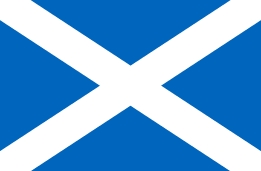 Scotland
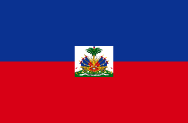 Haiti
Haiti USA
USA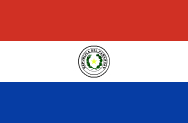 Paraguay
 Australia
 Germany
 Ecuador
 Ivory Coast
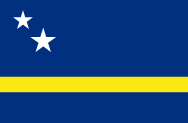 Curaçao
 Netherlands
 Japan
Japan Tunisia
 Belgium
 Iran
Iran Egypt
Egypt New Zealand
 Spain
Spain Uruguay
 Saudi Arabia
 Cape Verde
 France
 Senegal
 Norway
 Argentina
 Austria
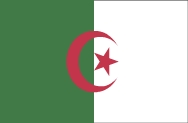 Algeria
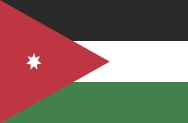 Jordan
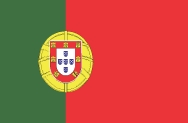 Portugal
 Colombia
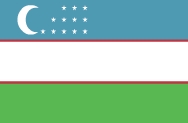 Uzbekistan
 England
 Croatia
 Panama
 Ghana
Ghana

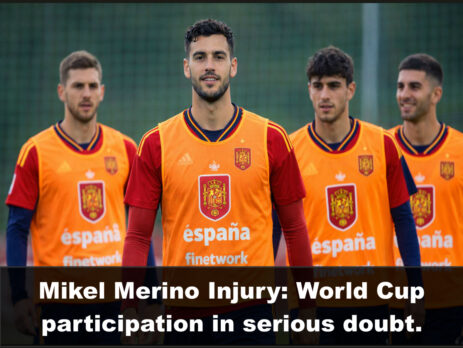
Mikel Merino Injury Casts Doubt on Spain’s Midfield for World Cup
Spain’s preparations for the 2026 FIFA World Cup have taken a significant hit following the injury to midfielder Mikel Merino. The 29-year-old sustained a stress fracture in his right foot during Arsenal’s 3–2 defeat to Manchester United on January 25, 2026. After undergoing surgery in early February, Merino is expected to be sidelined for approximately four months, placing his World Cup participation in serious doubt.
Nature of the Injury
Medical assessments confirmed that Merino suffered a rare stress fracture, a condition that typically results from repetitive strain rather than a single traumatic event. Arsenal manager Mikel Arteta described the injury as “very rare,” and the club’s official statement emphasized the extended recovery timeline. Merino underwent surgery shortly after the diagnosis and has begun his rehabilitation program.
In a social media post following the procedure, Merino expressed optimism: “Surgery done! Already closer to be back. Thank you so much to everyone for your messages and love. It really gives me even more energy to face the challenge.”
Despite the positive tone, the reality is sobering. With the World Cup kicking off in June, Merino’s recovery window leaves little margin for error. Even if he regains fitness in time, his match sharpness and ability to contribute at the highest level remain uncertain.
Impact on Spain’s Midfield
Merino’s absence is a tactical and psychological blow to Spain. Known for his positional intelligence, aerial strength, and ability to link defense and attack, Merino has been a consistent presence in Luis de la Fuente’s midfield setup. His versatility allows Spain to shift between a double pivot and a three-man midfield without compromising balance.
Spain’s midfield depth is considerable, but Merino’s profile is unique. His ability to win second balls, progress play vertically, and contribute defensively makes him difficult to replace directly. In matches where Spain faces physical or high-pressing opponents, Merino’s presence has often been the stabilizing factor.
Replacement Options
Luis de la Fuente will likely turn to a combination of Aleix García, Marcos Llorente, and Fabián Ruiz to fill the void. García offers composure and distribution, Llorente brings energy and versatility, while Ruiz provides technical quality and long-range shooting. However, none of these options replicate Merino’s blend of physicality and tactical discipline.
Other midfielders could also be considered depending on Spain’s formation. The manager may opt for a more possession-oriented approach, relying on Pedri and Gavi to control tempo and dictate play, with a more conservative partner behind them to provide defensive cover.
Spain’s World Cup Group and Schedule
Spain has been drawn into Group H alongside Cabo Verde, Saudi Arabia, and Uruguay. Their campaign begins on June 15 at Atlanta Stadium against Cabo Verde, followed by matches against Saudi Arabia and Uruguay. On paper, Spain is favored to top the group, but the absence of key players like Merino and striker Samu Aghehowa introduces uncertainty.
Aghehowa, a rising star with a prolific season for FC Porto, suffered an ACL tear in early February and is expected to miss the tournament entirely. His injury further complicates Spain’s attacking options, especially in matches requiring a direct, physical presence up front.
Tactical Adjustments
Spain’s typical formation under de la Fuente has been a 4–3–3, emphasizing possession, positional play, and high pressing. With Merino unavailable, the manager may consider a 4–2–3–1 to provide additional midfield cover. This would allow a more defensively solid double pivot, with a creative midfielder operating ahead of them.
Defensively, Spain remains solid. Aymeric Laporte, Dani Vivian, and Pau Cubarsí offer a mix of experience and youth, while Pedro Porro and Alejandro Grimaldo provide width and attacking support from full-back positions. Unai Simón is expected to retain his role as the starting goalkeeper.
Projected Starting XI (4–3–3)
- GK: Unai Simón
- RB: Pedro Porro
- CB: Aymeric Laporte
- CB: Pau Cubarsí
- LB: Alejandro Grimaldo
- CM: Aurélien Tchouaméni
- CM: Eduardo Camavinga
- CM: Pedri
- RW: Nico Williams
- ST: Joselu
- LW: Ferran Torres
This lineup reflects a balance between youth and experience, with flexibility to shift into alternative formations depending on match context and opponent.
Spain’s Recent Form
Spain enters the World Cup as reigning European champions, having won Euro 2024 in Germany. Their unbeaten streak in competitive matches is a testament to their tactical discipline and squad depth. The team has evolved significantly since its disappointing exits in 2014, 2018, and 2022, embracing a more dynamic and aggressive style.
Luis de la Fuente has emphasized verticality, pressing, and quick transitions, moving away from the slower possession-based approach that defined Spain’s golden era. This shift has revitalized the squad and made Spain one of the most feared teams heading into the tournament.
Historical Context
Spain’s World Cup history is marked by both triumph and frustration. Their 2010 victory under Vicente del Bosque remains a high point, but subsequent tournaments have seen early exits. The current generation aims to restore Spain’s status as a global powerhouse, building on their recent European success.
The challenge lies in translating continental dominance into World Cup performance. Injuries, squad rotation, and tactical adaptability will be key factors in determining how far Spain can go.
Outlook for 2026
Spain remains one of the top contenders for the 2026 World Cup. Their squad is deep, technically gifted, and tactically flexible. The loss of Merino and Aghehowa is significant, but not insurmountable. If key players remain fit and the team maintains its current form, a semifinal or final appearance is well within reach.
Group H offers a manageable path to the knockout stages, and Spain’s experience in high-pressure matches gives them an edge. The real test will come in the quarterfinals and beyond, where tactical nuance and individual brilliance often decide outcomes.
Conclusion
Mikel Merino’s injury is a setback, but Spain’s ambitions remain intact. With a talented squad, a proven manager, and a clear tactical identity, the team is poised to make a deep run in the 2026 World Cup. The coming months will determine whether Merino can recover in time, but regardless of his status, Spain’s midfield remains one of the strongest in the tournament.