

 Mexico
 South Korea
 South Africa
 TBD
TBD Canada
 Switzerland
 Qatar
Qatar Brazil
 Morocco
 Scotland
 Haiti
Haiti USA
USA Paraguay
 Australia
 Germany
 Ecuador
 Ivory Coast
 Curaçao
 Netherlands
 Japan
Japan Tunisia
 Belgium
 Iran
Iran Egypt
Egypt New Zealand
 Spain
Spain Uruguay
 Saudi Arabia
 Cape Verde
 France
 Senegal
 Norway
 Argentina
 Austria
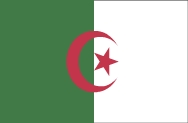 Algeria
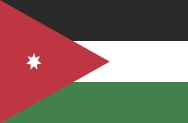 Jordan
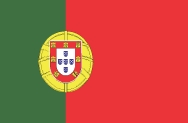 Portugal
 Colombia
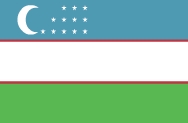 Uzbekistan
 England
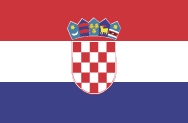 Croatia
 Panama
 Ghana
Ghana

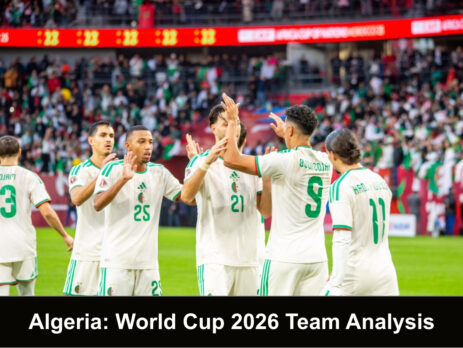
Algeria 2026 World Cup: Team Analysis, Roster Projection & Preview
Algeria enters the 2026 World Cup cycle as one of Africa’s most technically gifted and tactically resilient national teams. Known as the Desert Foxes, Algeria has built a reputation for dynamic wing play, disciplined defensive organization, and competitive performances on the global stage. With a blend of experienced European-based professionals and emerging domestic talent, Algeria remains a strong contender within CAF and a dangerous opponent internationally.
Under head coach Djamel Belmadi (or confirmed successor ahead of 2026), Algeria emphasizes structured buildup, technical midfield control, and explosive transitions from wide areas. The squad features experienced leaders such as Riyad Mahrez alongside midfield engines like Ismaël Bennacer. This combination of creativity, discipline, and tournament experience positions Algeria as a serious competitor heading into the 2026 World Cup.
Tactical Foundation
Algeria’s tactical identity is built around technical precision and wide attacking quality.
Wing-based creativity – Algeria frequently relies on dynamic wingers to stretch defensive lines and create 1v1 opportunities. Wide progression is central to their offensive identity.
Midfield ball control – The Desert Foxes prioritize technical passing sequences through midfield, allowing them to dictate tempo and build structured attacks.
Compact defensive shape – Algeria maintains disciplined spacing between lines, limiting central penetration and encouraging opponents into lower-probability wide areas.
Flexible formations – Algeria typically operates in a 4-3-3 or 4-2-3-1, but tactical adjustments are made depending on match state and opponent quality.
This balanced approach allows Algeria to compete against both possession-heavy European sides and physically intense African opponents.
Team Performance in the Last Year
Over the past 12–18 months, Algeria has continued competing in CAF competitions and international friendlies. Performances have reflected tactical stability and consistent attacking threat.
Attack
Algeria’s attack blends technical creativity with decisive finishing.
Riyad Mahrez – Creative winger capable of unlocking compact defenses.
Islam Slimani – Experienced striker with aerial presence.
Amine Gouiri – Emerging forward with clinical finishing.
Said Benrahma – Technical wide attacker with playmaking ability.
Yacine Brahimi – Experienced creative midfielder with dribbling flair.
Algeria’s attacking patterns emphasize:
Wide isolation and cut-inside movements
Quick central combinations
Overlapping full-back support
Set-piece efficiency
Defense
Defensively, Algeria combines physical presence with structured organization.
Aïssa Mandi – Experienced center-back and defensive leader.
Ramy Bensebaini – Versatile defender capable of operating centrally or at left-back.
Djamel Benlamri – Physical defensive option.
Youcef Atal – Attack-minded full-back offering pace and width.
Goalkeeper Anthony Mandrea has emerged as a reliable option in recent competitive fixtures, providing strong reflexes and command of the penalty area.
Overall, Algeria enters the 2026 cycle with tactical cohesion and high-level attacking talent.
Expected 2026 Algeria World Cup Roster
Goalkeepers
Anthony Mandrea – Likely starter with recent international experience. Raïs M’Bolhi – Veteran presence with tournament pedigree. Alexandre Oukidja – Experienced depth option.
Defenders
Aïssa Mandi – Defensive leader. Ramy Bensebaini – Versatile left-sided defender. Djamel Benlamri – Central defensive presence. Youcef Atal – Dynamic full-back. Ahmed Touba – Rotational center-back option. Mehdi Tahrat – Defensive depth. Houssem Aouar – Midfield-defensive hybrid versatility.
Midfielders
Ismaël Bennacer – Technical midfield anchor. Houssem Aouar – Creative central option. Adem Zorgane – Box-to-box midfielder. Ramiz Zerrouki – Defensive midfield presence. Yacine Brahimi – Advanced creative role. Sofiane Bendebka – Energetic midfield option.
Forwards / Attackers
Riyad Mahrez – Captain and creative focal point. Islam Slimani – Experienced striker. Amine Gouiri – Emerging goal-scoring threat. Said Benrahma – Technical wide attacker. Baghdad Bounedjah – Physical central striker. Farès Chaïbi – Young attacking talent.
This projected roster reflects Algeria’s blend of technical creativity, European-based experience, and regional competitiveness.
Players to Watch
Riyad Mahrez
The creative heartbeat of Algeria’s attack. His dribbling and composure in decisive moments remain vital.
Ismaël Bennacer
Midfield engine responsible for tempo control and defensive balance.
Ramy Bensebaini
Versatile defender providing both stability and attacking contribution.
Amine Gouiri
Emerging striker capable of leading the next generation of Algerian forwards.
Anthony Mandrea
Goalkeeper whose shot-stopping consistency provides defensive confidence.
Projected Starting XI
Formation: 4-3-3
GK: Anthony Mandrea
RB: Youcef Atal
CB: Aïssa Mandi
CB: Ramy Bensebaini
LB: Ahmed Touba
CM: Ismaël Bennacer
CM: Houssem Aouar
CM: Ramiz Zerrouki
RW: Riyad Mahrez
LW: Said Benrahma
ST: Amine Gouiri
Algeria can also shift into a 4-2-3-1 when emphasizing midfield control.
Strengths and Weaknesses
Attack – Strengths: Creative wing play; technical ball control; set-piece quality. Weaknesses: Can struggle against high pressing systems.
Midfield – Strengths: Technical passing; structured buildup. Weaknesses: Physical intensity against elite European midfields.
Defense – Strengths: Experienced center-backs; compact shape. Weaknesses: Vulnerable to pace in wide defensive channels.
Goalkeeping – Strengths: Reliable reflexes. Weaknesses: Distribution under heavy pressure.
Tactics – Strengths: Balanced system; wing-driven creativity. Weaknesses: Limited margin for error in transition defense.
Mentality – Strengths: Competitive and resilient. Weaknesses: Managing tournament consistency.
Player Injury Status
Algeria’s projected core remains largely available entering the 2026 cycle. As with many African and European-based squads, player workload management will be important ahead of tournament preparation.
Historical World Cup Performance
Algeria’s World Cup history includes:
Round-of-16 appearance in 2014
Memorable group-stage victories in 1982 and 2014
Multiple World Cup qualifications in the modern era
Their legacy includes:
Technical attacking identity
Competitive spirit against elite opposition
Strong continental pedigree
Outlook for the 2026 World Cup
Algeria enters the 2026 World Cup cycle with technical quality, experienced leadership, and attacking creativity. With Riyad Mahrez orchestrating from wide areas and a balanced midfield core providing structure, the Desert Foxes have the tools to compete effectively on the global stage.
Group Stage Outlook: Algeria is capable of competing in a balanced group and challenging higher-ranked opponents.
Knockout-Stage Potential: Advancement to the Round of 16 is realistic if defensive discipline and finishing efficiency align.