

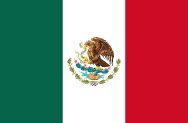
 Mexico
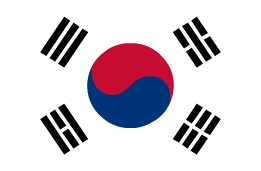 South Korea
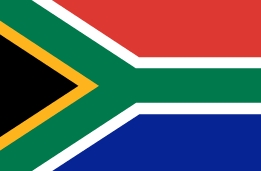 South Africa
 TBD
TBD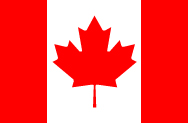 Canada
 Switzerland
 Qatar
Qatar Brazil
 Morocco
 Scotland
 Haiti
Haiti USA
USA Paraguay
 Australia
 Germany
 Ecuador
 Ivory Coast
 Curaçao
 Netherlands
 Japan
Japan Tunisia
 Belgium
 Iran
Iran Egypt
Egypt New Zealand
 Spain
Spain Uruguay
 Saudi Arabia
 Cape Verde
 France
 Senegal
 Norway
 Argentina
 Austria
 Algeria
 Jordan
 Portugal
 Colombia
 Uzbekistan
 England
 Croatia
 Panama
 Ghana
Ghana

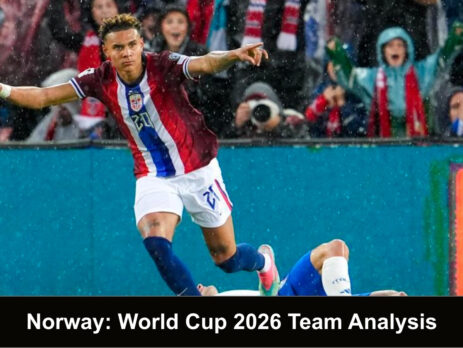
Norway 2026 World Cup: Team Analysis, Roster Projection & Preview
Norway enters the 2026 World Cup cycle as one of Europe’s most intriguing and attack-driven national teams. While recent qualification campaigns have been competitive, Norway continues to build around one of the most dynamic attacking duos in international football. With elite European-based talent and a growing tactical identity centered on vertical play and physical presence, the Lions aim to translate individual brilliance into sustained tournament success.
Under head coach Ståle Solbakken, The Norway National Team has emphasized structured buildup, direct attacking transitions, and defensive organization. The squad revolves around global stars Erling Haaland and Martin Ødegaard, supported by a technically disciplined midfield and physically strong defensive unit. This blend of elite finishing, creative playmaking, and structured organization positions Norway as a potential breakout contender heading into the 2026 World Cup.
Tactical Foundation
Norway’s tactical identity combines direct verticality with midfield technical control.
Central attacking focus – Norway’s system frequently channels attacking sequences through the partnership between Ødegaard’s creativity and Haaland’s finishing ability.
Vertical transitions – Quick forward progression and early crosses are central to Norway’s attacking patterns.
Midfield distribution – Ødegaard operates as the technical hub, orchestrating tempo and unlocking defensive lines.
Structured defensive block – Norway maintains a compact shape when out of possession, emphasizing positional awareness and aerial strength.
Typically operating in a 4-3-3 or 4-2-3-1, Norway can shift into a more compact structure when facing elite opposition.
Team Performance in the Last Year
Over the past 12–18 months, Norway has continued competing strongly in European competition and international fixtures. The squad has shown attacking consistency while continuing to refine defensive stability.
Attack
Norway’s attack is built around elite individual quality.
Erling Haaland – One of the world’s most prolific goal scorers, combining pace, power, and finishing precision.
Martin Ødegaard – Creative playmaker responsible for tempo and chance creation.
Alexander Sørloth – Physical striker option providing aerial threat.
Mohamed Elyounoussi – Experienced wide attacker with technical ability.
Antonio Nusa – Emerging winger with pace and creativity.
Norway’s attacking patterns emphasize:
Early crosses into the box
Through balls behind defensive lines
Wide-to-central combinations
Set-piece efficiency
Defense
Defensively, Norway relies on physical presence and structured positioning.
Kristoffer Ajer – Tall, composed center-back comfortable on the ball.
Leo Østigård – Aggressive defender with aerial dominance.
Birger Meling – Balanced left-back providing width and defensive stability.
Julian Ryerson – Energetic right-back with pressing support.
Goalkeeper Ørjan Nyland has been a steady presence in recent international fixtures, providing reliability and experience.
Overall, Norway enters the 2026 cycle with elite attacking firepower and improving defensive organization.
Expected 2026 Norway World Cup Roster
Goalkeepers
Ørjan Nyland – Experienced international starter. André Hansen – Reliable depth option. Egil Selvik – Emerging goalkeeper option.
Defenders
Kristoffer Ajer – Central defensive leader. Leo Østigård – Physical center-back presence. Julian Ryerson – Dynamic right-back. Birger Meling – Balanced left-back. Stian Gregersen – Defensive depth option. Fredrik Bjørkan – Wide defensive alternative. Marcus Holmgren Pedersen – Rotational right-back option.
Midfielders
Martin Ødegaard – Captain and creative engine. Sander Berge – Midfield presence with ball progression ability. Patrick Berg – Defensive midfield anchor. Morten Thorsby – Energetic box-to-box contributor. Kristian Thorstvedt – Attacking midfield support. Fredrik Aursnes – Versatile central option.
Forwards / Attackers
Erling Haaland – Primary goal-scoring threat. Alexander Sørloth – Physical striker option. Mohamed Elyounoussi – Experienced wide attacker. Antonio Nusa – Emerging winger talent. Jørgen Strand Larsen – Depth striker option. Ola Solbakken – Direct wide presence.
This projected roster reflects Norway’s elite attacking quality supported by structured defensive depth.
Players to Watch
Erling Haaland
One of the world’s most prolific finishers. His goal-scoring efficiency defines Norway’s attacking ceiling.
Martin Ødegaard
Creative leader capable of dictating tempo and unlocking compact defenses.
Kristoffer Ajer
Defensive presence providing composure and aerial control.
Sander Berge
Midfield stabilizer capable of both defensive coverage and forward progression.
Antonio Nusa
Young winger with explosive pace and creative upside.
Projected Starting XI
Formation: 4-3-3
GK: Ørjan Nyland
RB: Julian Ryerson
CB: Kristoffer Ajer
CB: Leo Østigård
LB: Birger Meling
CM: Patrick Berg
CM: Sander Berge
CM: Martin Ødegaard
RW: Mohamed Elyounoussi
LW: Antonio Nusa
ST: Erling Haaland
Norway can also shift into a 4-2-3-1 when emphasizing Ødegaard in a more advanced role.
Strengths and Weaknesses
Attack – Strengths: Elite finishing; direct transitions; strong aerial presence. Weaknesses: Overreliance on key attacking figures.
Midfield – Strengths: Technical leadership; ball progression. Weaknesses: Depth consistency under sustained pressure.
Defense – Strengths: Physical center-backs; aerial dominance. Weaknesses: Vulnerable against rapid wide rotations.
Goalkeeping – Strengths: Reliable shot-stopping. Weaknesses: Distribution under heavy press.
Tactics – Strengths: Vertical efficiency; clear attacking identity. Weaknesses: Defensive transitions against elite opposition.
Mentality – Strengths: Confidence built around star leadership. Weaknesses: Managing expectations in high-pressure qualifiers.
Player Injury Status
Norway’s projected core remains largely available entering the 2026 cycle. As with most European-based squads, club workload management will be critical ahead of tournament selection.
Historical World Cup Performance
Norway’s World Cup history includes:
Round-of-16 appearance in 1998
Multiple qualifications in the 1990s era
Competitive performances against top European sides
Their football identity has historically emphasized:
Physical strength
Direct attacking play
Defensive discipline
Outlook for the 2026 World Cup
Norway enters the 2026 World Cup cycle with elite attacking talent and growing tactical maturity. With Erling Haaland leading the line and Martin Ødegaard orchestrating play, Norway possesses the firepower to compete with top nations if defensive structure holds firm.
Group Stage Outlook: Norway can compete strongly in a balanced group and challenge for advancement.
Knockout-Stage Potential: Advancement would depend heavily on defensive consistency and maximizing attacking efficiency.