


 Mexico
 South Korea
 South Africa
 TBD
TBD Canada
 Switzerland
 Qatar
Qatar Brazil
 Morocco
 Scotland
 Haiti
Haiti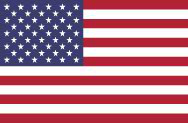 USA
USA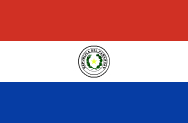 Paraguay
 Australia
 Germany
 Ecuador
 Ivory Coast
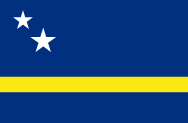 Curaçao
 Netherlands
 Japan
Japan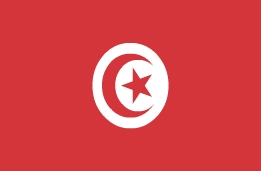 Tunisia
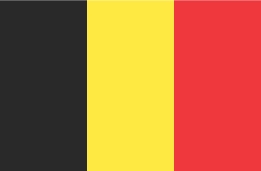 Belgium
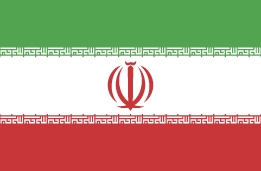 Iran
Iran Egypt
Egypt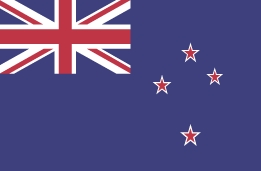 New Zealand
 Spain
Spain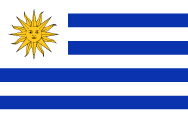 Uruguay
 Saudi Arabia
 Cape Verde
 France
 Senegal
 Norway
 Argentina
 Austria
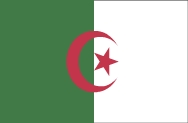 Algeria
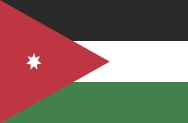 Jordan
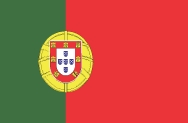 Portugal
 Colombia
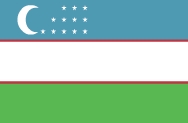 Uzbekistan
 England
 Croatia
 Panama
 Ghana
Ghana

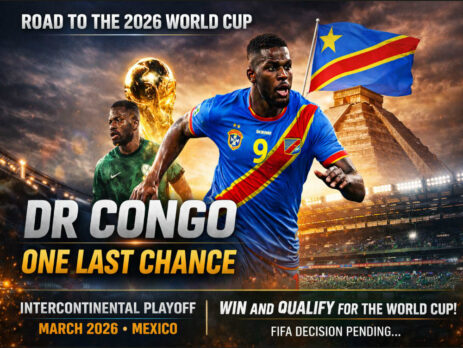
World Cup Qualifiers: DR Congo Still Alive
The Democratic Republic of Congo (DR Congo) still has a path to the 2026 FIFA World Cup.
With Africa’s qualification campaign nearly complete and nine CAF nations already securing direct spots, DR Congo stands as the continent’s final team with a chance to push the total to ten. Their route, however, is anything but simple. It runs through the March 2026 Intercontinental Playoff Tournament in Mexico — and potentially through a pending FIFA eligibility ruling involving Nigeria.
As of early February 2026, DR Congo is actively preparing for the final stage of qualification, treating the upcoming playoff matches as the last hurdle between them and their first World Cup appearance since 1974.
Here is the complete picture of where things stand.
How DR Congo Reached This Stage
CAF’s expanded allocation for the 2026 World Cup granted Africa nine automatic qualification spots plus one Intercontinental Playoff berth. Group winners secured the direct places. The remaining pathway was reserved for the highest-ranked runners-up through the African playoff process.
DR Congo advanced through this secondary pathway after a strong qualification campaign that positioned them among Africa’s top runners-up. Their performances were defined by defensive organization, structured midfield play, and disciplined game management in high-pressure matches.
After navigating the African playoff phase, DR Congo earned the right to represent CAF in the FIFA Intercontinental Playoff Tournament.
That tournament now stands between them and the World Cup.
What DR Congo Must Do to Qualify
The scenario is straightforward:
DR Congo must win their designated knockout match in the Intercontinental Playoff Tournament in March 2026.
The tournament features six teams:
-
One from CAF (DR Congo)
-
One from AFC (Asia)
-
One from CONMEBOL (South America)
-
One from OFC (Oceania)
-
Two from CONCACAF
Two final World Cup spots are available.
Depending on FIFA’s final bracket alignment and seeding, DR Congo will face a single opponent in a win-or-go-home format. If they win, they qualify for the 2026 World Cup. If they lose, their campaign ends.
There is no group stage, no aggregate cushion, and no second opportunity.
Potential Opponents in Mexico
The Intercontinental Playoff field includes teams such as Jamaica, Suriname, Iraq, Bolivia, and New Caledonia, depending on final playoff outcomes in their respective confederations.
DR Congo’s opponent will be determined by FIFA seeding and bracket structure. Regardless of matchup, the challenge will be significant.
The diversity of playing styles presents a unique tactical problem:
-
CONCACAF teams bring physical pace and direct attacking transitions.
-
South American opposition often emphasizes technical control and possession.
-
Asian representatives typically arrive tactically structured and defensively disciplined.
-
Oceania’s representative may rely on compact defensive shape and counterattack.
For DR Congo, preparation will require adaptability and composure under neutral-site pressure.
The Nigeria Eligibility Complaint
Adding complexity to the situation is Nigeria’s formal complaint to FIFA.
Nigeria alleges that DR Congo used ineligible players during the qualification process. The complaint is under review, and a decision is expected around mid-February 2026.
If FIFA dismisses the complaint, DR Congo proceeds as planned to the Intercontinental Playoff.
If FIFA upholds the complaint, Nigeria could potentially be reinstated into the qualification pathway — although such reversals are rare and depend heavily on documented evidence and regulatory interpretation.
As of now, DR Congo remains the official CAF representative and continues preparing for the March tournament.
The uncertainty has not halted their training schedule or logistical planning.
What Is at Stake for DR Congo
If DR Congo qualifies:
-
They return to the World Cup for the first time in over 50 years.
-
Africa sends a record ten teams to the 2026 tournament.
-
The nation achieves one of the most significant milestones in its football history.
Their only previous appearance came in 1974, when the country competed under the name Zaire.
Qualifying now would symbolize a generational breakthrough for Congolese football.
Tactical Identity Heading into the Playoff
DR Congo’s qualification campaign has been built on defensive discipline. Their back line has remained compact, minimizing central penetration and forcing opponents wide.
Midfield control has also been central to their success. Rather than relying purely on pace, DR Congo has often slowed matches down, controlled tempo, and capitalized on structured attacking movements.
In knockout football, that style can be effective.
Playoff matches are rarely high-scoring affairs. They are often decided by:
-
One defensive mistake
-
One set piece
-
One counterattack
-
Or penalties
DR Congo’s approach suggests they are preparing for exactly that type of game.
Mental Pressure and Experience
Knockout football introduces psychological variables that differ from group-stage qualification.
Neutral venues remove home advantage.
Crowd influence is reduced.
Travel fatigue becomes a factor.
Media scrutiny intensifies.
DR Congo must manage:
-
External pressure from the Nigeria complaint
-
Internal expectations of ending a 50-year World Cup absence
-
The reality that one mistake could end the campaign
Experience in continental tournaments may help. Several players have competed in African competitions with similar stakes.
Africa’s Record Presence at the 2026 World Cup
With nine teams already qualified, Africa has secured its largest-ever World Cup representation.
Those qualified nations include established powers and rising programs alike, reflecting the continent’s growing depth.
If DR Congo succeeds, Africa will send ten teams to the tournament for the first time.
Even if they fall short, nine teams mark a significant expansion from previous tournaments, where Africa was limited to five.
The expanded 48-team format has reshaped global qualification — and DR Congo is one match away from benefiting from that change.
Timeline to Watch
February 2026:
-
FIFA ruling expected on Nigeria’s eligibility complaint.
March 2026:
-
Intercontinental Playoff Tournament in Mexico.
-
Single-elimination matches determine final two World Cup spots.
Between now and March, DR Congo will finalize squad selection, tactical preparation, and travel logistics.
The Republic of the Congo Clarification
It is important to distinguish between DR Congo and the Republic of the Congo (Congo-Brazzaville).
Congo-Brazzaville is not involved in this qualification stage and is not in contention for the World Cup.
The current playoff scenario applies only to the Democratic Republic of Congo.
What Happens If DR Congo Wins
If DR Congo win their Intercontinental Playoff match:
-
They qualify for the 2026 FIFA World Cup.
-
Africa reaches a record ten representatives.
-
DR Congo ends a half-century absence from the global stage.
Preparations for North America would begin immediately.
What Happens If They Lose
If DR Congo lose:
-
Africa’s final tally remains at nine teams.
-
DR Congo’s campaign concludes.
-
The focus shifts to rebuilding for the next cycle.
The margin between historic achievement and disappointment is one match.
Final Outlook
As of February 2026, DR Congo remains alive in the race for the 2026 FIFA World Cup.
Their fate now depends on:
-
FIFA’s ruling regarding Nigeria’s complaint.
-
A single knockout match in Mexico.
-
Ninety minutes — or potentially penalties — of execution under pressure.
One win sends them to the World Cup.
One loss ends the dream.
After fifty years away from football’s biggest stage, DR Congo stands on the edge of history.
March 2026 will decide everything.
: Playoff Path, Nigeria Complaint, and What Happens Next
The Democratic Republic of Congo (DR Congo) still has a path to the 2026 FIFA World Cup.
With Africa’s qualification campaign nearly complete and nine CAF nations already securing direct spots, DR Congo stands as the continent’s final team with a chance to push the total to ten. Their route, however, is anything but simple. It runs through the March 2026 Intercontinental Playoff Tournament in Mexico — and potentially through a pending FIFA eligibility ruling involving Nigeria.
As of early February 2026, DR Congo is actively preparing for the final stage of qualification, treating the upcoming playoff matches as the last hurdle between them and their first World Cup appearance since 1974.
Here is the complete picture of where things stand.
How DR Congo Reached This Stage
CAF’s expanded allocation for the 2026 World Cup granted Africa nine automatic qualification spots plus one Intercontinental Playoff berth. Group winners secured the direct places. The remaining pathway was reserved for the highest-ranked runners-up through the African playoff process.
DR Congo advanced through this secondary pathway after a strong qualification campaign that positioned them among Africa’s top runners-up. Their performances were defined by defensive organization, structured midfield play, and disciplined game management in high-pressure matches.
After navigating the African playoff phase, DR Congo earned the right to represent CAF in the FIFA Intercontinental Playoff Tournament.
That tournament now stands between them and the World Cup.
What DR Congo Must Do to Qualify
The scenario is straightforward:
DR Congo must win their designated knockout match in the Intercontinental Playoff Tournament in March 2026.
The tournament features six teams:
-
One from CAF (DR Congo)
-
One from AFC (Asia)
-
One from CONMEBOL (South America)
-
One from OFC (Oceania)
-
Two from CONCACAF
Two final World Cup spots are available.
Depending on FIFA’s final bracket alignment and seeding, DR Congo will face a single opponent in a win-or-go-home format. If they win, they qualify for the 2026 World Cup. If they lose, their campaign ends.
There is no group stage, no aggregate cushion, and no second opportunity.
Potential Opponents in Mexico
The Intercontinental Playoff field includes teams such as Jamaica, Suriname, Iraq, Bolivia, and New Caledonia, depending on final playoff outcomes in their respective confederations.
DR Congo’s opponent will be determined by FIFA seeding and bracket structure. Regardless of matchup, the challenge will be significant.
The diversity of playing styles presents a unique tactical problem:
-
CONCACAF teams bring physical pace and direct attacking transitions.
-
South American opposition often emphasizes technical control and possession.
-
Asian representatives typically arrive tactically structured and defensively disciplined.
-
Oceania’s representative may rely on compact defensive shape and counterattack.
For DR Congo, preparation will require adaptability and composure under neutral-site pressure.
The Nigeria Eligibility Complaint
Adding complexity to the situation is Nigeria’s formal complaint to FIFA.
Nigeria alleges that DR Congo used ineligible players during the qualification process. The complaint is under review, and a decision is expected around mid-February 2026.
If FIFA dismisses the complaint, DR Congo proceeds as planned to the Intercontinental Playoff.
If FIFA upholds the complaint, Nigeria could potentially be reinstated into the qualification pathway — although such reversals are rare and depend heavily on documented evidence and regulatory interpretation.
As of now, DR Congo remains the official CAF representative and continues preparing for the March tournament.
The uncertainty has not halted their training schedule or logistical planning.
What Is at Stake for DR Congo
If DR Congo qualifies:
-
They return to the World Cup for the first time in over 50 years.
-
Africa sends a record ten teams to the 2026 tournament.
-
The nation achieves one of the most significant milestones in its football history.
Their only previous appearance came in 1974, when the country competed under the name Zaire.
Qualifying now would symbolize a generational breakthrough for Congolese football.
Tactical Identity Heading into the Playoff
DR Congo’s qualification campaign has been built on defensive discipline. Their back line has remained compact, minimizing central penetration and forcing opponents wide.
Midfield control has also been central to their success. Rather than relying purely on pace, DR Congo has often slowed matches down, controlled tempo, and capitalized on structured attacking movements.
In knockout football, that style can be effective.
Playoff matches are rarely high-scoring affairs. They are often decided by:
-
One defensive mistake
-
One set piece
-
One counterattack
-
Or penalties
DR Congo’s approach suggests they are preparing for exactly that type of game.
Mental Pressure and Experience
Knockout football introduces psychological variables that differ from group-stage qualification.
Neutral venues remove home advantage.
Crowd influence is reduced.
Travel fatigue becomes a factor.
Media scrutiny intensifies.
DR Congo must manage:
-
External pressure from the Nigeria complaint
-
Internal expectations of ending a 50-year World Cup absence
-
The reality that one mistake could end the campaign
Experience in continental tournaments may help. Several players have competed in African competitions with similar stakes.
Africa’s Record Presence at the 2026 World Cup
With nine teams already qualified, Africa has secured its largest-ever World Cup representation.
Those qualified nations include established powers and rising programs alike, reflecting the continent’s growing depth.
If DR Congo succeeds, Africa will send ten teams to the tournament for the first time.
Even if they fall short, nine teams mark a significant expansion from previous tournaments, where Africa was limited to five.
The expanded 48-team format has reshaped global qualification — and DR Congo is one match away from benefiting from that change.
Timeline to Watch
February 2026:
-
FIFA ruling expected on Nigeria’s eligibility complaint.
March 2026:
-
Intercontinental Playoff Tournament in Mexico.
-
Single-elimination matches determine final two World Cup spots.
Between now and March, DR Congo will finalize squad selection, tactical preparation, and travel logistics.
The Republic of the Congo Clarification
It is important to distinguish between DR Congo and the Republic of the Congo (Congo-Brazzaville).
Congo-Brazzaville is not involved in this qualification stage and is not in contention for the World Cup.
The current playoff scenario applies only to the Democratic Republic of Congo.
What Happens If DR Congo Wins
If DR Congo win their Intercontinental Playoff match:
-
They qualify for the 2026 FIFA World Cup.
-
Africa reaches a record ten representatives.
-
DR Congo ends a half-century absence from the global stage.
Preparations for North America would begin immediately.
What Happens If They Lose
If DR Congo lose:
-
Africa’s final tally remains at nine teams.
-
DR Congo’s campaign concludes.
-
The focus shifts to rebuilding for the next cycle.
The margin between historic achievement and disappointment is one match.
Final Outlook
As of February 2026, DR Congo remains alive in the race for the 2026 FIFA World Cup.
Their fate now depends on:
-
FIFA’s ruling regarding Nigeria’s complaint.
-
A single knockout match in Mexico.
-
Ninety minutes — or potentially penalties — of execution under pressure.
One win sends them to the World Cup.
One loss ends the dream.
After fifty years away from football’s biggest stage, DR Congo stands on the edge of history.
March 2026 will decide everything.