

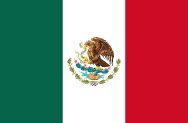
 Mexico
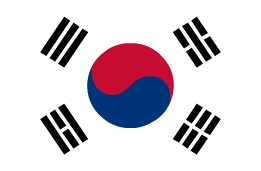 South Korea
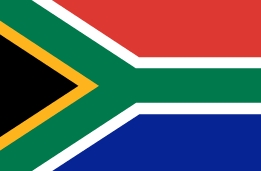 South Africa
 TBD
TBD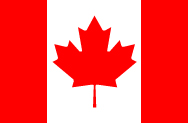 Canada
 Switzerland
 Qatar
Qatar Brazil
 Morocco
 Scotland
 Haiti
Haiti USA
USA Paraguay
 Australia
 Germany
 Ecuador
 Ivory Coast
 Curaçao
 Netherlands
 Japan
Japan Tunisia
 Belgium
 Iran
Iran Egypt
Egypt New Zealand
 Spain
Spain Uruguay
 Saudi Arabia
 Cape Verde
 France
 Senegal
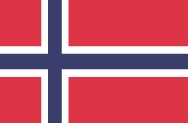 Norway
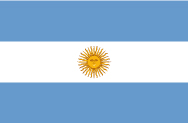 Argentina
 Austria
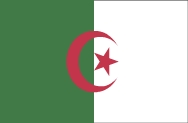 Algeria
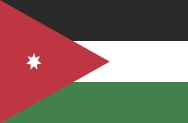 Jordan
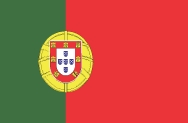 Portugal
 Colombia
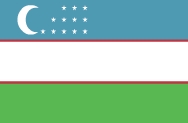 Uzbekistan
 England
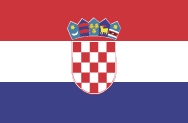 Croatia
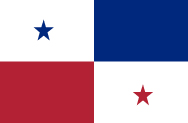 Panama
 Ghana
Ghana

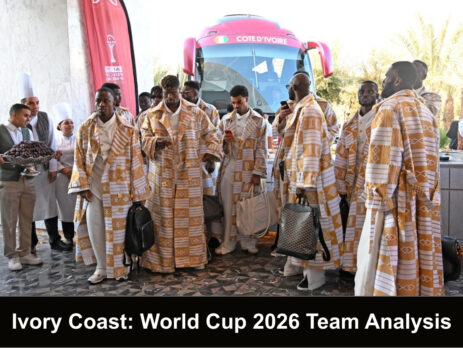
Ivory Coast 2026 World Cup: Team Analysis, Roster Projection & Preview
Ivory Coast enters the 2026 World Cup cycle as one of Africa’s most athletically powerful and technically gifted national teams. Known as Les Éléphants, Ivory Coast has long been a continental powerhouse, combining physical dominance with dynamic attacking talent. Following their triumph at the 2023 Africa Cup of Nations, the team carries renewed confidence and competitive momentum into the 2026 qualification campaign. With a blend of European-based professionals and emerging stars, Ivory Coast remains one of CAF’s strongest contenders.
Under their current technical leadership (final 2026 appointment subject to confirmation), The Ivory Coast National Team emphasizes structured defensive organization, midfield physicality, and explosive attacking transitions. The squad blends experienced leaders such as Franck Kessié with dynamic attackers including Sébastien Haller and Simon Adingra. This balance of strength, pace, and tactical cohesion positions Ivory Coast as a serious competitor heading toward the 2026 World Cup.
Tactical Foundation
Ivory Coast’s tactical identity blends athleticism with structured discipline.
Physical midfield control – The team relies on strong ball-winning midfielders to dominate duels and launch quick transitions.
Wide attacking explosiveness – Pace from wing positions stretches defensive lines and creates crossing opportunities.
Defensive compactness – Ivory Coast maintains disciplined defensive spacing while using athletic recovery speed to manage counterattacks.
Formation flexibility – Typically operating in a 4-3-3 or 4-2-3-1, the team can shift into a more defensive 4-4-2 when protecting a lead.
This tactical structure allows Ivory Coast to compete effectively against both African rivals and elite international opponents.
Team Performance in the Last Year
Over the past 12–18 months, Ivory Coast has demonstrated competitive consistency in CAF competitions and international friendlies, highlighted by strong tournament resilience.
Attack
Ivory Coast’s attack blends strength and technical quality.
Sébastien Haller – Central striker with aerial presence and clinical finishing.
Simon Adingra – Explosive winger capable of decisive transitional moments.
Nicolas Pépé – Creative wide attacker with dribbling ability.
Jonathan Bamba – Direct wing option providing pace.
Wilfried Zaha – Experienced attacking presence (selection dependent).
Ivory Coast’s attacking patterns emphasize:
Wide 1v1 isolation
Quick vertical passes into forwards
Midfield support in transition
Set-piece effectiveness
Defense
Defensively, Ivory Coast combines athleticism and structure.
Willy Boly – Physical central defender with aerial dominance.
Odilon Kossounou – Composed ball-playing defender.
Serge Aurier – Experienced right-back with leadership presence.
Ghislain Konan – Balanced left-back option.
Goalkeeper Yahia Fofana has emerged as a reliable option, offering strong reflexes and composure in major competitions.
Overall, Ivory Coast enters the 2026 cycle with balanced depth and tournament confidence.
Expected 2026 Ivory Coast World Cup Roster
Goalkeepers
Yahia Fofana – Likely starter with recent tournament success. Badra Ali Sangaré – Experienced depth option. Charles Folly – Backup goalkeeper alternative.
Defenders
Willy Boly – Defensive leader with aerial strength. Odilon Kossounou – Central defensive presence. Serge Aurier – Experienced right-back. Ghislain Konan – Reliable left-back. Eric Bailly – Rotational central defender. Emmanuel Agbadou – Emerging defensive depth. Ismaël Diallo – Wide defensive alternative.
Midfielders
Franck Kessié – Midfield anchor and leader. Ibrahim Sangaré – Defensive midfield stabilizer. Jean Michaël Seri – Experienced central contributor. Seko Fofana – Energetic box-to-box presence. Christian Kouamé – Versatile attacking midfielder option. Hamed Junior Traoré – Creative central midfielder.
Forwards / Attackers
Sébastien Haller – Primary striker option. Simon Adingra – Explosive wing presence. Nicolas Pépé – Creative attacking threat. Jonathan Bamba – Direct wide option. Wilfried Zaha – Experienced forward depth. Christian Kouamé – Versatile attacking alternative.
This projected roster reflects Ivory Coast’s blend of physical dominance and technical creativity.
Players to Watch
Franck Kessié
Midfield leader whose physical presence and composure anchor the team.
Sébastien Haller
Clinical striker capable of decisive tournament goals.
Simon Adingra
Emerging winger bringing pace and unpredictability.
Odilon Kossounou
Ball-playing defender central to defensive stability.
Yahia Fofana
Goalkeeper whose composure strengthens the back line.
Projected Starting XI
Formation: 4-3-3
GK: Yahia Fofana
RB: Serge Aurier
CB: Willy Boly
CB: Odilon Kossounou
LB: Ghislain Konan
CM: Franck Kessié
CM: Ibrahim Sangaré
CM: Seko Fofana
RW: Simon Adingra
LW: Nicolas Pépé
ST: Sébastien Haller
Ivory Coast can also transition into a 4-2-3-1 for added midfield control.
Strengths and Weaknesses
Attack – Strengths: Wide explosiveness; aerial finishing; transitional pace. Weaknesses: Consistency against deep defensive blocks.
Midfield – Strengths: Physical dominance; ball recovery; tactical balance. Weaknesses: Creative depth under sustained possession pressure.
Defense – Strengths: Athletic center-backs; aerial presence. Weaknesses: Vulnerability to rapid wide rotations.
Goalkeeping – Strengths: Reliable reflexes and composure. Weaknesses: Distribution under high press.
Tactics – Strengths: Balanced structure; adaptable formations. Weaknesses: Maintaining tempo control against elite European midfields.
Mentality – Strengths: Tournament confidence; resilient competitive spirit. Weaknesses: Converting continental dominance into global advancement.
Player Injury Status
Ivory Coast’s projected core remains largely available entering the 2026 cycle. Monitoring workload for European-based players will be critical ahead of tournament selection.
Historical World Cup Performance
Ivory Coast’s World Cup history includes:
Multiple World Cup qualifications (2006, 2010, 2014)
Competitive performances against elite opposition
Strong continental pedigree with multiple AFCON titles
Their football identity has emphasized:
Physical athleticism
Dynamic wing play
Competitive resilience
Outlook for the 2026 World Cup
Ivory Coast enters the 2026 World Cup cycle with physical strength, attacking explosiveness, and renewed confidence from recent continental success. With Franck Kessié anchoring midfield and Sébastien Haller leading the attack, Les Éléphants possess the tools to challenge top opponents.
Group Stage Outlook: Ivory Coast is capable of advancing from a competitive group.
Knockout-Stage Potential: A Round-of-16 appearance is realistic, with quarterfinal ambitions dependent on tactical consistency and finishing efficiency.