

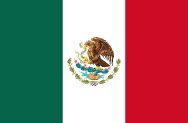
 Mexico
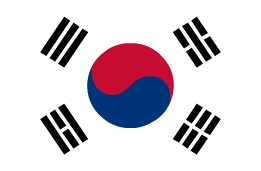 South Korea
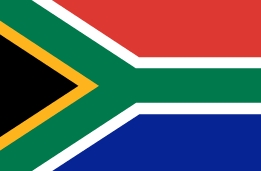 South Africa
 TBD
TBD Canada
 Switzerland
 Qatar
Qatar Brazil
 Morocco
 Scotland
 Haiti
Haiti USA
USA Paraguay
 Australia
 Germany
 Ecuador
 Ivory Coast
 Curaçao
 Netherlands
 Japan
Japan Tunisia
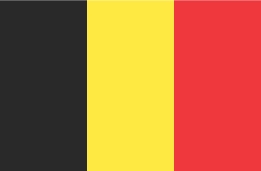 Belgium
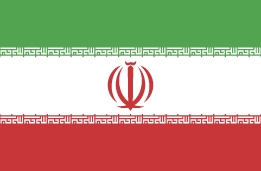 Iran
Iran Egypt
Egypt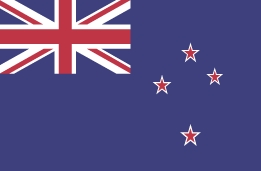 New Zealand
 Spain
Spain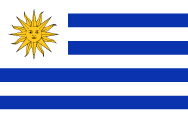 Uruguay
 Saudi Arabia
 Cape Verde
 France
 Senegal
 Norway
 Argentina
 Austria
 Algeria
 Jordan
 Portugal
 Colombia
 Uzbekistan
 England
 Croatia
 Panama
 Ghana
Ghana

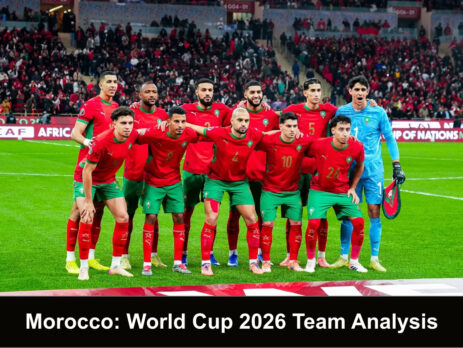
Morocco 2026 World Cup: Team Analysis, Roster Projection & Preview
Morocco enters the 2026 World Cup as one of Africa’s most tactically disciplined and globally respected national teams. After reaching the semifinals in 2022 — becoming the first African nation to achieve that milestone — the Atlas Lions firmly established themselves among international football’s elite. Built on defensive organization, midfield intelligence, and explosive wing play, Morocco combines European-based experience with structured tactical cohesion.
Under head coach Walid Regragui, The Morocco National Team has emphasized compact defensive shape, structured pressing, and rapid transitions through wide areas. The squad blends experienced leaders such as Hakim Ziyech and Romain Saïss with elite-level talent including Achraf Hakimi and Sofyan Amrabat. This balance of tactical discipline and individual brilliance positions Morocco as one of CAF’s strongest contenders heading into the 2026 World Cup.
Tactical Foundation
Morocco’s tactical identity centers on defensive resilience and transitional efficiency.
Compact defensive structure – The Atlas Lions maintain disciplined spacing between defensive and midfield lines, limiting central penetration.
Midfield control and ball recovery – Strong ball-winning midfielders provide stability and initiate counterattacks.
Wide attacking explosiveness – Morocco relies heavily on pace and technical ability from wing positions.
Formation flexibility – Typically operating in a 4-3-3 or 4-1-4-1, Morocco can shift into a more defensive shape when protecting a lead.
This structured approach allows Morocco to compete effectively against technically superior European opponents.
Team Performance in the Last Year
Over the past 12–18 months, Morocco has continued to perform strongly in CAF competitions and international friendlies. The team has demonstrated defensive consistency and efficient attacking execution.
Attack
Morocco’s attack blends creativity and pace.
Hakim Ziyech – Creative playmaker capable of decisive passes and set-piece delivery.
Youssef En-Nesyri – Aerially dominant striker with clinical finishing.
Sofiane Boufal – Dynamic winger with strong dribbling ability.
Abde Ezzalzouli – Explosive wide attacker providing pace.
Amine Harit – Creative midfield contributor.
Morocco’s attacking patterns emphasize:
Wide 1v1 isolation
Quick vertical counters
Midfield support in transition
Set-piece precision
Defense
Defensively, Morocco remains one of Africa’s strongest units.
Achraf Hakimi – Dynamic right-back offering both defensive recovery and attacking width.
Romain Saïss – Experienced defensive leader.
Nayef Aguerd – Composed center-back with ball progression ability.
Noussair Mazraoui – Versatile defender comfortable across multiple roles.
Goalkeeper Yassine Bounou has been a standout performer in major tournaments, providing elite shot-stopping and composure under pressure.
Overall, Morocco enters the 2026 cycle with tactical clarity and elite defensive organization.
Expected 2026 Morocco World Cup Roster
Goalkeepers
Yassine Bounou – Established No. 1 with tournament pedigree. Munir El Kajoui – Experienced backup option. Ahmed Reda Tagnaouti – Reliable depth goalkeeper.
Defenders
Achraf Hakimi – Defensive and attacking leader. Romain Saïss – Central defensive anchor. Nayef Aguerd – Ball-playing center-back. Noussair Mazraoui – Versatile defender. Jawad El Yamiq – Rotational center-back. Sami Mmaee – Defensive depth option. Yahya Attiat-Allah – Wide defensive alternative.
Midfielders
Sofyan Amrabat – Defensive midfield engine. Azzedine Ounahi – Technical central midfielder. Amine Harit – Creative attacking option. Selim Amallah – Box-to-box contributor. Bilal El Khannouss – Emerging midfield talent. Yahya Jabrane – Tactical stabilizer.
Forwards / Attackers
Hakim Ziyech – Creative focal point. Youssef En-Nesyri – Primary striker option. Sofiane Boufal – Dynamic winger. Abde Ezzalzouli – Pace-driven attacker. Tarik Tissoudali – Rotational striker. Zakaria Aboukhlal – Versatile wide forward.
This projected roster reflects Morocco’s blend of European-based talent and structured team identity.
Players to Watch
Achraf Hakimi
Dynamic full-back whose pace and technical skill influence both defense and attack.
Yassine Bounou
Goalkeeper with elite tournament composure and penalty-saving ability.
Sofyan Amrabat
Midfield anchor responsible for defensive stability and ball progression.
Hakim Ziyech
Creative playmaker capable of decisive moments in major matches.
Youssef En-Nesyri
Aerially dominant striker with clinical finishing ability.
Projected Starting XI
Formation: 4-3-3
GK: Yassine Bounou
RB: Achraf Hakimi
CB: Romain Saïss
CB: Nayef Aguerd
LB: Noussair Mazraoui
CM: Sofyan Amrabat
CM: Azzedine Ounahi
CM: Selim Amallah
RW: Hakim Ziyech
LW: Sofiane Boufal
ST: Youssef En-Nesyri
Morocco can also transition into a 4-1-4-1 when emphasizing defensive stability.
Strengths and Weaknesses
Attack – Strengths: Explosive wing play; clinical striker; set-piece quality. Weaknesses: Creativity against compact defensive blocks.
Midfield – Strengths: Ball recovery; tactical discipline; European-level experience. Weaknesses: Depth consistency under sustained pressure.
Defense – Strengths: Compact shape; elite full-back presence; goalkeeper composure. Weaknesses: Vulnerability to high-speed transitions.
Goalkeeping – Strengths: Elite shot-stopping; penalty composure. Weaknesses: Distribution under aggressive press.
Tactics – Strengths: Structured defensive system; transition efficiency. Weaknesses: Maintaining tempo control against possession-dominant teams.
Mentality – Strengths: Tournament confidence; resilient team cohesion. Weaknesses: Managing heightened expectations following 2022 success.
Player Injury Status
Morocco’s projected core remains largely available entering the 2026 cycle. Monitoring workload for European-based players will be critical ahead of tournament preparation.
Historical World Cup Performance
Morocco’s World Cup history includes:
Semifinal appearance in 2022
Round-of-16 appearance in 1986
Multiple World Cup qualifications
Their football identity has emphasized:
Defensive organization
Dynamic full-back play
Strong continental pedigree
Outlook for the 2026 World Cup
Morocco enters the 2026 World Cup as one of Africa’s most tactically complete teams. With Achraf Hakimi driving the flanks and Yassine Bounou anchoring the defense, the Atlas Lions possess the structure and confidence to compete deep into the tournament once again.
Group Stage Outlook: Morocco is capable of advancing from a competitive group.
Knockout-Stage Potential: A quarterfinal appearance is realistic, with semifinal ambitions dependent on defensive consistency and efficient finishing.