

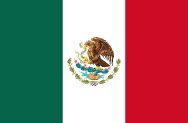
 Mexico
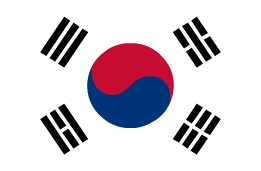 South Korea
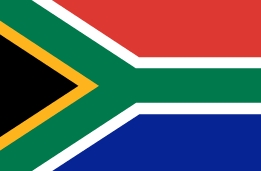 South Africa
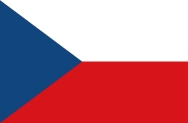 Czechia
 Canada
 Switzerland
 Qatar
Qatar Bosnia & Herz
 Brazil
 Morocco
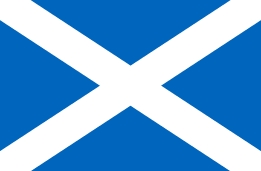 Scotland
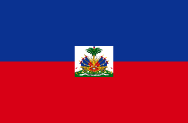 Haiti
Haiti USA
USA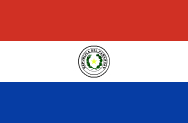 Paraguay
 Australia
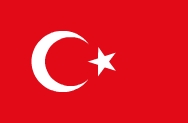 Türkiye
 Germany
 Ecuador
 Ivory Coast
 Curaçao
 Netherlands
 Japan
Japan Tunisia
 Sweden
 Belgium
 Iran
Iran Egypt
Egypt New Zealand
 Spain
Spain Uruguay
 Saudi Arabia
 Cape Verde
 France
 Senegal
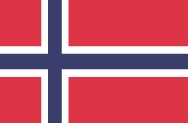 Norway
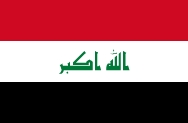 Iraq
Iraq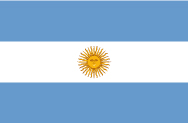 Argentina
 Austria
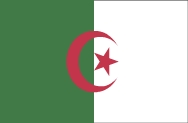 Algeria
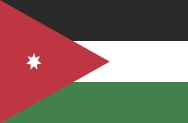 Jordan
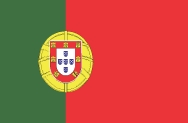 Portugal
 Colombia
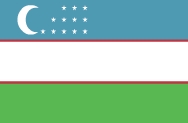 Uzbekistan
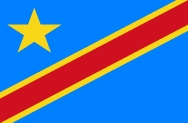 DR Congo
 England
 Croatia
 Panama
 Ghana
Ghana
UEFA World Cup 2026 Playoff Schedule – Fixtures and Times
Match times listed below. (click here)
The 2026 FIFA World Cup™ UEFA Playoffs will decide the final European places in the tournament, and the margin for error is now gone. Eight teams remain alive, but only four will qualify. That is what makes these matches some of the most intense games on the international calendar. Every path is a knockout race, every semifinal matters, and every final carries World Cup-level pressure.
For fans searching for the full UEFA World Cup 2026 playoff schedule, match times, and format, this guide breaks down everything in one place. Below you will find the key structure of the playoffs, what is at stake for each nation, and why these fixtures matter so much in the final push toward the 2026 World Cup.
How the UEFA World Cup 2026 Playoffs™ Work
The format is straightforward, but the drama is not. UEFA’s playoff stage is split into four separate paths: Path A, Path B, Path C, and Path D. Each path contains four teams. Two single-leg semifinals are played first, followed by one single-leg final. The winner of each path final qualifies for the 2026 FIFA World Cup™. That means four playoff winners will join the European teams that already secured direct qualification through the group stage. In practical terms, every team in the playoffs is only two wins away from the World Cup, but one poor performance ends the campaign immediately.
UEFA World Cup Qualification Playoffs
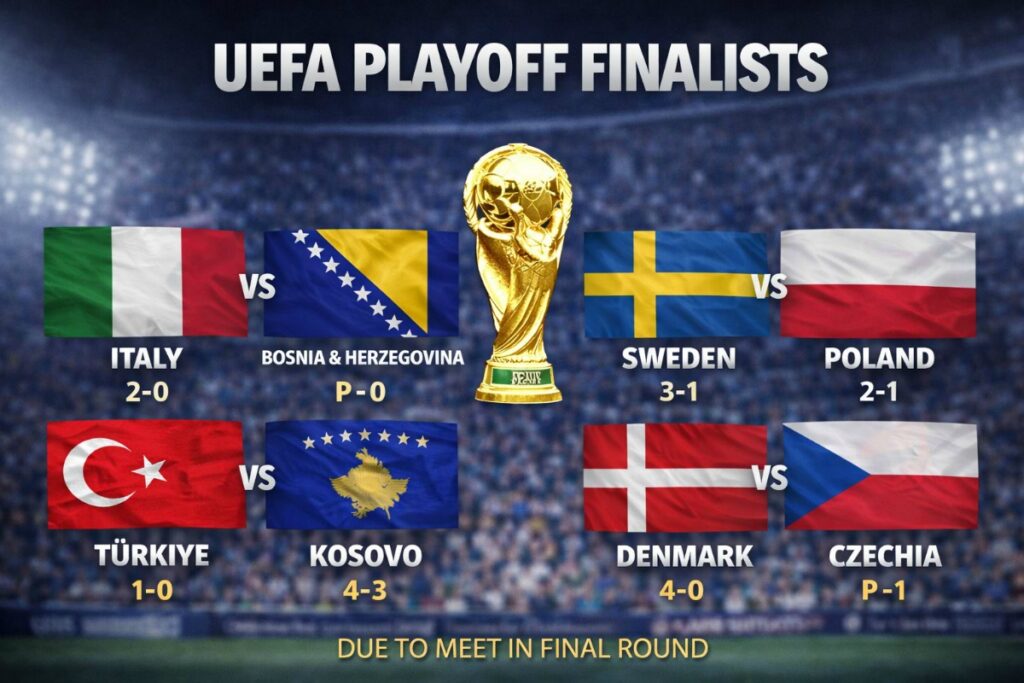
UEFA Playoff Finals — March 31, 2026
The winner of the matches below will qualify for the 2026 FIFA World Cup™
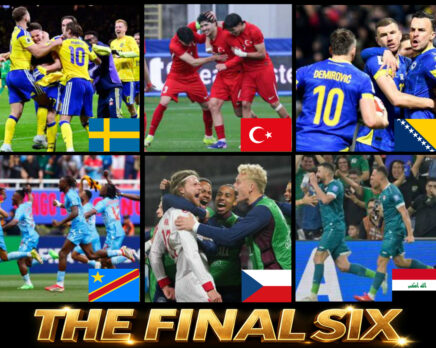
- A: (Italy) vs (Bosnia & Herzegovina)
12:45 PM MST - B: (Sweden) vs (Poland)
12:45 PM MST - C: (Türkiye) vs (Kosovo)
12:45 PM MST - D: (Denmark) vs (Czechia)
12:45 PM MST
UEFA Playoff Semi-Finals — March 26, 2026
- Italy vs Northern Ireland – (2-0) Final
12:45 PM MST - Wales vs Bosnia & Herzegovina – (1-1 2-4 on penalties)
12:45 PM MST - Ukraine vs Sweden – (1-3) Final
12:45 PM MST - Poland vs Albania – (2-1) Final
12:45 PM MST - Türkiye vs Romania – (1-0) Final
12:45 PM MST - Slovakia vs Kosovo – (3-4) Final
12:45 PM MST - Denmark vs North Macedonia – (4-0) Final
12:45 PM MST - Czechia vs Republic of Ireland – (2-2 4-3 on penalties) Final
12:45 PM MST
Dates may shift forward due to time differences.
Where the UEFA Playoff Winners Go in the 2026 FIFA World Cup™
UEFA Playoff Path D Winner → Group A
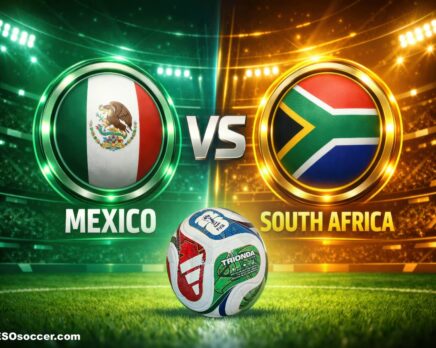
- Group A Teams: Mexico, South Africa, South Korea, UEFA Playoff Path D Winner
- Possible Path D Teams: Denmark,
North Macedonia, Czechia,Republic of Ireland - First Match: vs South Korea
UEFA Playoff Path A Winner → Group B
- Group B Teams: Canada, Qatar, Switzerland, UEFA Playoff Path A Winner
- Possible Path A Teams: Italy,
Northern Ireland,Wales, Bosnia & Herzegovina - First Match: vs Canada
UEFA Playoff Path C Winner → Group D
- Group D Teams: United States, Paraguay, Australia, UEFA Playoff Path C Winner
- Possible Path C Teams: Türkiye,
Romania,Slovakia, Kosovo - First Match: vs Australia
UEFA Playoff Path B Winner → Group F
- Group F Teams: Netherlands, Japan, Tunisia, UEFA Playoff Path B Winner
- Possible Path B Teams:
Ukraine, Sweden, Poland,Albania - First Match: vs Tunisia
UEFA Playoff Paths and Matchups
Path A
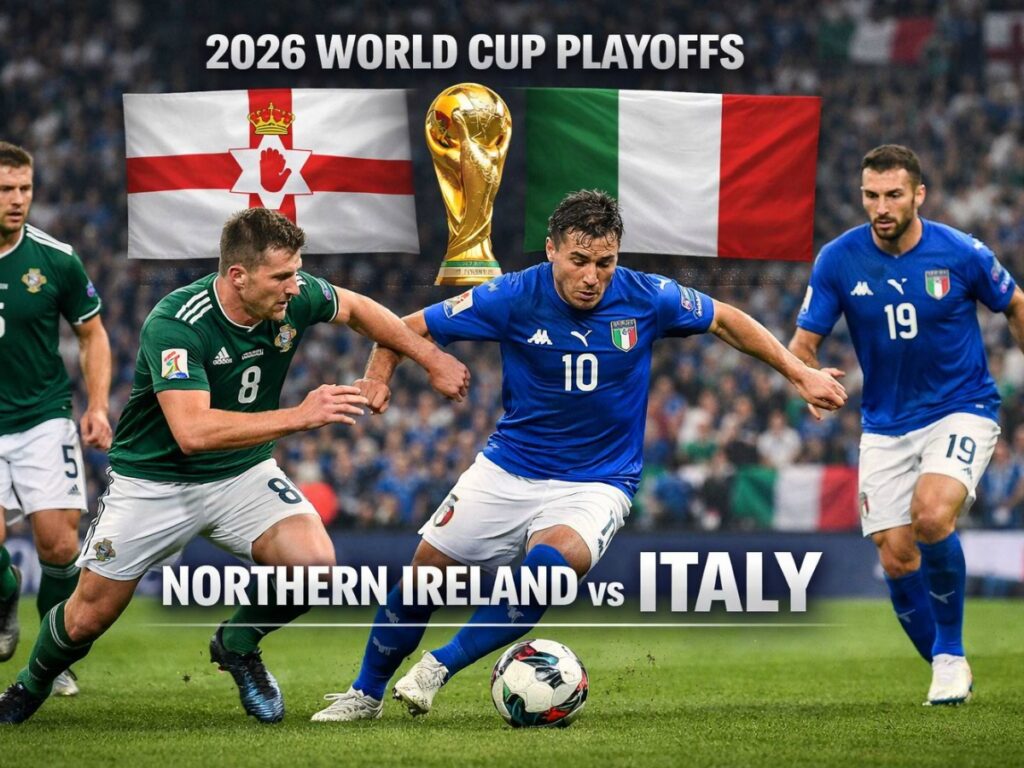
Italy vs Northern Ireland stands out as one of the most compelling matchups in the UEFA™ World Cup 2026 playoffs. Italy brings history, technical quality, and the weight of expectation into a high-pressure knockout setting, while Northern Ireland thrives in exactly these types of disciplined, hard-fought contests. The contrast in styles makes this game especially intriguing—Italy will likely control possession and look to break down the defense, while Northern Ireland will aim to stay compact, frustrate their opponent, and capitalize on set pieces or counterattacks. In a one-match playoff where anything can happen, this clash has all the ingredients of a tense, dramatic battle that could swing on a single moment. Read more
Path A features Italy, Northern Ireland, Wales, and Bosnia and Herzegovina. On paper, it is one of the most closely watched sections because it contains both pedigree and tension. Italy brings history and expectation, while Wales and Bosnia and Herzegovina both know how dangerous these knockout moments can become. Northern Ireland will not be widely picked by outsiders, but teams with defensive organization and discipline can make knockout ties uncomfortable in a hurry.
This path feels built for narrow games. Italy may carry the biggest name, but playoff football rarely rewards reputation on its own. Wales has often shown belief in pressure matches, and Bosnia and Herzegovina has enough quality to punish any team that leaves space. Northern Ireland, meanwhile, will likely embrace the role of spoiler.
Path B
Path B includes Ukraine, Sweden, Poland, and Albania. This is another path with serious tension because there is experience throughout the bracket. Sweden and Poland both bring familiar names and tournament expectations. Ukraine has repeatedly shown resilience in high-pressure environments. Albania may not attract the same headlines as some of the others, but they are exactly the kind of team that can turn a playoff path into chaos.
The balance in this path may come down to game management. Knockout qualifiers often reward the team that stays calmer when the tempo changes. Poland’s attacking talent, Sweden’s structure, Ukraine’s edge, and Albania’s collective organization make this one of the most difficult paths to predict cleanly.
Path C
Path C features Türkiye, Romania, Slovakia, and Kosovo. This may be the most intriguing path for fans who like volatile matchups and fast shifts in momentum. Türkiye often plays with intensity and belief, Romania has enough quality to control stretches of a game, Slovakia can be disciplined and difficult to break down, and Kosovo has enough technical ability to unsettle opponents.
What makes this path fascinating is the range of styles. Some of these teams are comfortable in open games, while others would prefer a more measured tactical contest. That contrast could make Path C one of the most entertaining sections of the UEFA playoffs, especially if an early goal forces one side to open up.
Path D
Path D consists of Denmark, North Macedonia, Czechia, and the Republic of Ireland. Denmark may enter as the strongest favorite on paper in this section, but the path is far from simple. Czechia and the Republic of Ireland can both make matches physical and direct, while North Macedonia already has a reputation for embracing the underdog role in major qualification moments.
If Denmark controls games as expected, they may look like the safest pick in this bracket. But playoff history shows that favorites still have to earn every minute. A disciplined defensive shape, a dangerous counterattack, or one dead-ball situation can alter an entire path.
Why the UEFA Playoffs Matter So Much
European qualifying is always difficult because of the depth across the continent. Strong teams can miss out on direct qualification, and rising nations often believe they have a real chance to break through. The playoff round brings those ambitions into direct conflict.
This stage is also where narratives change quickly. A traditional power can suddenly find itself one bad result from elimination. An underdog can produce one disciplined defensive display, force extra pressure on a favorite, and change the entire path. For neutral fans, that unpredictability is part of the appeal. For supporters of the teams involved, it is a nerve test.
There is also a tactical difference in playoff football. Teams do not always play with the same freedom they show in a normal group match. Managers become more cautious. Midfields tighten. Full-backs may take fewer risks. Set pieces become more important. A single moment can decide everything.
What Makes These Matches Different From Regular Qualifiers
Regular qualifiers allow teams to recover from one bad night. The playoffs do not. That changes the emotional and tactical tone from the first whistle. There is often less risk in early phases, more emphasis on defensive transitions, and greater reliance on senior players who can handle stress.
Goalkeepers become even more important in this format. One save can preserve a campaign. One error can end it. The same goes for set-piece defending, penalty-box discipline, and late-game substitutions. In knockout qualifiers, details matter more because there is no future matchday to repair the damage.
Another factor is psychology. Some nations are comfortable when they are expected to win. Others thrive when they are underestimated. The UEFA playoffs bring those mental battles to the surface. Once the game becomes tight in the final half-hour, composure matters almost as much as quality.
Teams Under the Most Pressure
Italy naturally enters under a major spotlight because of its history and because expectations around the national team are always enormous. That pressure can be productive when the group responds well, but it also means every missed chance or sloppy defensive moment will be magnified.
Poland and Sweden also face real expectation. These are football nations accustomed to being in the conversation for major tournaments. Falling short in a playoff path would be viewed as a serious disappointment, especially when the margins are so narrow.
Denmark may carry a different kind of pressure. As one of the stronger sides on paper in its path, anything less than qualification would feel like a missed opportunity. In playoff football, being the favorite can become a burden if the match stays level deeper into the second half.
Potential Dark Horses in the UEFA Playoffs
Every playoff bracket usually produces one team that looks more dangerous than the outside narrative suggests. In this field, several teams fit that description.
- Northern Ireland can make matches uncomfortable with defensive shape, discipline, and belief.
- Albania has the kind of collective structure that can frustrate more established opponents.
- Kosovo has enough quality in open play to change a tie with one sharp attacking sequence.
- North Macedonia already knows how to compete with intensity when expectations are low.
Dark horses matter in this format because they do not need to dominate a long campaign. They only need to stay alive for two matches. That is a very different challenge, and it opens the door to surprises.
Best Storylines to Watch
Can the traditional powers handle the pressure?
Big names often dominate headlines before the playoffs begin, but that spotlight adds weight. The question is not just which teams are strongest on paper. It is which teams can stay composed when the match turns tense.
Will one underdog steal a place at the World Cup?
These playoff rounds are designed for drama. A compact defensive performance, one inspired goalkeeper outing, or a decisive set piece can transform a nation’s football history in one night.
Which path will produce the best football?
Some paths look likely to become tactical chess matches. Others could open up and become fast, emotional contests. That contrast is part of what makes the UEFA playoff bracket so compelling from top to bottom.
Early Outlook and Playoff Predictions
It is dangerous to be too certain in knockout football, but some broad early themes stand out. Italy will attract attention in Path A because of its overall stature, yet that path does not look simple. Wales and Bosnia and Herzegovina both have the type of edge that can turn a tie into a battle, while Northern Ireland will not mind a lower-possession game if it stays close.
Path B may be the hardest to call cleanly. Ukraine, Sweden, and Poland all have enough quality to win the bracket, while Albania has enough discipline to disrupt predictions. This path feels likely to produce one of the tightest finishes.
Path C looks open. Türkiye may be viewed by many as the headline team there, but Romania, Slovakia, and Kosovo all have reasons to believe. If one path is most likely to swing on momentum, confidence, and in-game adjustments, it may be this one.
Path D begins with Denmark carrying major expectation, but Czechia, the Republic of Ireland, and North Macedonia all have routes to make life difficult. This is the kind of bracket where the favorite may still advance, but not without surviving uncomfortable moments.
What Fans Should Expect on Matchday
Expect tension more than pure spectacle in the early phases of many of these matches. Teams understand what is at stake. That usually means a cautious opening, fewer unnecessary risks, and a premium on concentration.
As the games move deeper, the pressure changes. If a favorite does not score early, belief grows on the other side. If an underdog concedes first, the match can suddenly open up. That is often when playoff football becomes most dramatic, especially in the final half-hour.
Fans should also be ready for extra-time tension, emotional swings, and moments where composure matters more than flair. These are not ordinary qualifiers. They are survival matches with a World Cup place on the line.
Final Word on the 2026 FIFA World Cup™ UEFA Playoffs
The 2026 FIFA World Cup™ UEFA Playoffs bring together everything that makes international knockout football compelling: pressure, tactical discipline, emotional swings, and the possibility of a defining national moment. Four paths will become four stories, but only four teams will ultimately reach the World Cup.
Related Articles: